dasara padagalu · guru jagannatha dasaru · MADHWA · raghavendra

Yeddu baruthare node

ಎದ್ದು ಬರುತಾರೆ ನೋಡೆ – ಗುರುಗಳು ತಾ
ವೆದ್ದು ಬರುತಾರೆ ನೋಡೆ            || ಪ ||

ಮುದ್ದು ಬೃಂದಾವನ ಮಧ್ಯದೊಳಗಿಂದ
ತಿದ್ದಿ ಹಚ್ಚಿದ ನಾಮ ಮುದ್ರೆಗಳಿಂದೊಪ್ಪುತ    || ಅ ||

ಗಳದೊಳು ಶ್ರೀ ತುಳಸಿ ನಳಿನಾಕ್ಷಿ ಮಾಲೆಯು
ಚೆಲುವ ಮುಖದೊಳು ಪೊಳೆವೊ ದಂತಗಳಿಂದ        || ೧ ||

ಹೃದಯಮಂದಿರದಲ್ಲಿ ಪದುಮನಾಭನ ಭಜಿಸಿ
ಮುದಮನದಲಿ ನಿತ್ಯ ಸದಮಲ ರೂಪತಾಳಿ    || ೨ ||

ದಾತ ಗುರುಜಗನ್ನಾಥವಿಠ್ಠಲನ್ನ
ಪ್ರೀತಿಯ ಪಡಿಸುತ ದೂತರ ಪೊರೆಯುತ        || ೩ ||

Yeddu baruthare Node, tha
eddu baruthare Node ||pa||

Muddu Brindavanada Madyadolaginda
Thiddi hachida nama Mudregaloputhive

Galadolu Shri Tulasi Nalinakshi Malegalu
Cheluva Mukhadolu Poleva Danthagalinda ||1||

Hridaya Sadanadalli Padubhanamana Bhajisi
Mudamanadinda Nitya SadaMalaRoopa Thali ||2||

Data Guru Jaganatha Vittalana
Prithiya Padisutha Doothara Poreyutha ||3||

dasara padagalu · jagannatha dasaru · MADHWA · raghavendra

Roga Harane krupa

ರೋಗಹರನೆ ಕೃಪಾಸಾಗರ ಶ್ರೀಗುರು
ರಾಘವೇ೦ದ್ರ ಪರಿಪಾಲಿಸೋ                 || ಪ ||

ಸ೦ತತ ದುರ್ವಾದಿಧ್ವಾ೦ತ ದಿವಾಕರ
ಸ೦ತವಿನುತ ಮಾತ ಲಾಲಿಸೊ          || ೧ ||

ಪಾವನಗಾತ್ರ ಭೂದೇವವರನೆ ತವ
ಸೇವಕಜನರೊಳಗಾಡಿಸೋ                  || ೨ ||

ಘನ್ನಮಹಿಮ ಜಗನ್ನಾಥವಿಠ್ಠಲಪ್ರಿಯ
ನಿನ್ನಾರಾಧನೆ ಮಾಡಿಸೋ               || ೩ ||

Roga Harane Krupa Sagara Shri Guru
Raghavendra PariPaaleeso ||

Santhata Durmatha Dwanda Diwakara
Santhavinutha Matha Laleeso ||1||

Pavana Gathrasu Deva varane Thava
Sevaka Janarolagadeeso ||2||

Ghanna Mahima Jaganatha Vittala Priya
Ninna Aradhane Madeeso ||3||

guru · kethu · MADHWA · navagraha stothram · rahu · sani · slokas

Navagraha sthothram

Navagraha dhyanam

Nama Suryaya Somaya Mangalaya Budhaya Cha,
Guru Shukra Sanibhyascha, Rahava Kethave Namaha

Sani (Saturn)

Neelanjana samaabhasam Ravi Putram Yamaagrajam
Chaaya Marthanda Sambhootam Tam Namaami Shanaiswaram

Rahu

Ardha Kaayam Mahaa Veeryam Chandra- Aditya Vimardanam
Simhika Garbha Sambhootam Tam Rahum Pranamaamyaham

Ketu

Palaasha Pushpa Sankaasham Tarakaa Graha Mastakam
Roudram Roudraa-tmakam Ghoram Tam Ketum Pranamaamyaham

Guru (Brihaspati or Jupiter)

Deva-naam cha Rishi Naam cha Gurum kaanchana sannibham,
Buddhi Bhootam Trilokesham Tam Namaami Brihaspatim

ashwatha · MADHWA · slokas

Ashwatha narayana sloka

Among trees, the Aswatha is the most important. You can find aswatha tree almost in every Hindu temple

ಮೂಲತೋ ಬ್ರಹ್ಮರೂಪಾಯ ಮಧ್ಯತೋ ವಿಷ್ಣುರೂಪಿಣೇ
ಅಗ್ರತಃ ಶಿವರೂಪಾಯ ಅಶ್ವತ್ಥಾಯ ನಮೋ ನಮಃ

Moolatho brahma roopaya madhyatho visnu roopine,
Agratha Shiva roopaya, vruksha rajaya the nama.

Meaning:

Salutations to the king of trees,
Whose roots are Lord Brahma,
Whose stem is Lord Vishnu,
And whose crown is Lord Shiva.

lighting lamp · MADHWA · slokas

sloka to recite while lighting the lamp

Light is considered as a symbol of auspiciousness, prosperity and abundance. Light brings brightness with it and removes the darkness.

ದೀಪಂ ಜ್ಯೋತಿ ಪರಬ್ರಹ್ಮ ದೀಪೇನ ಸರ್ವತಮೋಪಃ
ದೀಪೇನ ಸಾಧ್ಯತೇ ದೀಪಂ ಸಂಧ್ಯಾ ದೀಪಂ ನಮೋಸ್ತುತೇ

“Deepajyothi Para Brahma :Deepajyothi Janardhana
Deepo Me Hara Tu Paapam:Deepaa Jyothir Namostute”

Meaning: I fold my hands before the lord, the maintainer of this creation, in the form of this light. I adore this light, which destroys all the pains resulting from my omissions and commissions

ಶುಭಂ ಕರೋತಿ ಕಲ್ಯಾಣಂ ಆರೋಗ್ಯ ಧನಸಂಪದಂ।
ಶತ್ರು ಬುದ್ಧಿ ವಿನಾಶಾಯ ದೀಪಜ್ಯೋತಿರ್ನಮೋsಸ್ತುತೆ।।

Subham Karoti Kalyanam:Arogyam Dhana Sampadah:
Shatru Buddhi Vinashaya  Dipa Jyotir Namostute

Meaning: “I fold my hands before the light that brings prosperity, auspiciousness, good health, abundance of wealth and destruction of the enemy’s intellect”. Here, Darkness symbolizes enemy’s intellect and with the arrival of light, darkness disappears. Likewise, light (God’s Grace) destroys darkness (enemy’s intellect).


bath · MADHWA · Morning · slokas

Sloka to chant while taking bath

ಗಂಗೇಚ ಯಮುನೇಚೈವ ಗೋದಾವರಿ ಸರಸ್ವತಿ
ನರ್ಮದೇ ಸಿಂಧು ಕಾವೇರಿ ಜಲೇಸ್ಮಿನ್ ಸನ್ನಿಧಿಂ ಕುರು

Gange cha Yamune chaiva Godavari Saraswati |
Narmade Sindhu Kaveri jalesmin sannidhim kuru ||

Meaning:

In this water(used for bath), I invoke the presence of holy waters from the rivers Ganga, Yamuna, Godavari, Saraswati, Narmada, Sindhu and Kaveri.

DEVOTIONAL · MADHWA · POOJA · slokas · tulasi

daily tulasi pooja with slokas

Significance of Tulasi:

“Every home with a Tulasi plant is a place of pilgrimage, and no diseases, messengers of Yama, the God of Death, can enter it.”
Skandapurana Padmapurana Uttarakhanda

tulanaa naasti athaiva Tulsi (Meaning: The one which is incomparable (in its qualities) is the Tulsi)

Srimad-Bhagavatam explains the special position of the Tulasi plant:

“Although flowering plants like the mandara, kunda, kurabaka, utpala, campaka, arna, punnaga, nagakesara, bakula, lily, and parijata are full of transcendental fragrance, they are still conscious of the austerities performed by Tulasi, for Tulasi is given special preference by the Lord, who garlands Himself with Tulasi leaves.”

Tulasi is the essence of all devotional activities. The leaves, flowers, roots, bark, branches, trunk, and shade of Tulasi-devi are all spiritual.

A house where Tulasi-devi is present never falls on bad times, and it becomes purer than all holy places. The fragrance of Tulasi-devi purifies all who smell it.

One who sees or comes near a house or garden where the Tulasi plant is present gets rid of all his sinful reactions, including that of killing a brahmana.
Lord Krsna happily lives in the house, town, or forest where Tulasi-devi is present.

A recent research indicates that Tulsi reduces inflammation, prevents gastric ulcers, protects against radiation, lowers fevers, cholesterol and high blood presssure, enhances periodontal health, displays significant natural antibacterial, antiviral and antifungal activity, improves digestion and absorption of other nutrients, and even repels mosquitoes and other potentially harmful insects.

When picking Tulasi leaves, chant the following mantra:

tulasy amrta janmasi
sada tvam kesava-priya
kesavartham cinomi tvam
varada bhava sobhane

Meaning – “O Tulasi, you were born from nectar. You are always very dear to Lord Kesava. Now, in order to worship Lord Kesava, I am collecting your leaves and manjaris. Please bestow your benediction on me.”

As per our philosophy, only men are allowed to pick tulasi leaves before starting devara pooja

How to pick Tulasi leaves:

  1. Pick the leaves one at a time with your fingertips.
  2. Pick with care and attention. Avoid using cutting tools.
  3. Pick Tulasi leaves and flowers in the morning, never at night (from sunset to sunrise)
  4. Tulasi should not be plucked on dvadasi.
  5. One should pluck the leaves with the right hand, holding the branch in the left hand, being careful not to break the branches.

According to the Garuda Purana, Tulasi must always be offered on the naivedyam.

tulasi vina ya kriyate na puja
snanam na tat yat tulasi vinakrtam
bhuktam na tat yat tulasi vinakrtam
pitam na tat yat tulasi vinakrtam

Puja, bathing and offering of food and drink performed without Tulasi cannot be considered as puja, bathing and offering to the Lord. The Lord does not accept anything or drink anything that is without Tulasi.

Tulsi sloka

ಯನ್ಮೂಲೇ ಸರ್ವತೀರ್ಥಾನಿ ಯನ್ಮಧ್ಯೇ ಸರ್ವದೇವತಾಃ |
ಯದಗ್ರೇ ಸರ್ವ ವೇದಾಶ್ಚ ತುಲಸಿತ್ವಾಂ ನಮಾಮ್ಯಹಂ ||

Yanmule sarvatirhaani
Yannagre sarvadevatta
Yanmadhye sarvavedaascha
Tulsi taam namaamyaham

MeaningI bow down to the Tulsi, at whose base are all the holy places, at whose top reside all the deities and in whose middle are all the Vedas.

Daily pooja procedure:

Perform pooja with cleaning the surface around Tulasi brindavana and draw a rangoli.
apply haldi, kumkum, mantrakshthata to Tulasi. decorate tulasi with flowers.
Perform Neivedhya and aarathi

Tulasi Archanai

  1. Sri tulasyai namah
  2. Sri vishnu pathniyai namah
  3. Aaga handharyai namah
  4. loka vandhithayai namah
  5. peethamabara dharinyai namah
  6. Ksheerabthi thanayai namah
  7. loga jananyai namah
  8. sarvaabharana bhooshithaiyai namah
  9. sumukayai namah
  10. Sunasikayai namah
  11. Sri ramayai namah
  12. Sri tulasyai namah

While performing Pradakshina

ತು‌ಅಲಸೀಕಾನನಂ ಯತ್ರ ಯತ್ರ ಪದ್ಮವನಾನಿ ಚ |
ವಸಂತಿ ವೈಷ್ಣವಾ ಯತ್ರ ತತ್ರ ಸನ್ನಿಹಿತೋ ಹರಿಃ ||

thulasi kananam yatra yatra padmavanaani cha
vasanthi vaishnava yatra thathra sannihitho hari ||

ಪುಷ್ಕರಾದ್ಯಾನಿ ತೀರ್ಥಾನಿ ಗಂಗಾದ್ಯಾಃ ಸಂತಸ್ತಥಾ |
ವಾಸುದೇವೋ ದಯೋದೇವಾಃ ವಸಂತಿ ತುಲ್ಳಸೀವನೇ ||

pushkaraadhyaani theerthani Gagadhya sarithas thatha
vaasudeva dayo devaa vasanthi thulasivane

ಪ್ರಸೀದ ತುಲಸೀ ದೇವಿ | ಪ್ರಸೀದ ಹರಿವಲ್ಲಭೇ |
ಕ್ಷೀರೋದ ಮಥನೋದ್ಭೂತೇ ತುಲಸೀತ್ವಾಂ ನಮಾಮ್ಯಹಂ ||

praseetha thulasi devi  praseetha hari vallabe
Ksheerotha mathanoth boothe thulasithvam namamyaham

Tulasi vandhanam

ತುಲಸಿ ಶ್ರೀಸಖಿ ಶುಭೇ ಪಾಪಹಾರಿಣಿ ಪುಣ್ಯದೇ |
ನಮಸ್ತೇ ನಾರದನುತೇ ನಾರಾಯಣ ಮನಃ ಪ್ರಿಯೇ ||

thulasi sri sukhe subhe paapa haarini punyathe
namasthe naradha nuthe namo narayana priye

when applying Thulasi mrithika

lalate yasya dhrusyatha tulasi moolammrithika
yamastham neshithum saktha ki dhoddtha bayangara

Check other links:


bhagavatham · MADHWA · mahabharatham · ramayanam · slokas · sundara kandam

Eka sloki Ramayanam, Mahabharatam, bagavatham and sundara kaandam

Eka sloki ramayanam

Aadho Rama thapo vananu gamanam, Hathwa mrugam kanchanam,
Vaidehi haranam, jatayu maranam, Sugreeva sambhashanam,
vaali nigrahanam, samudhra tharanam, Lanka pureem dahanam,
Paschad Ravana Kumbha karna madanam, Ethat ithi Ramayanam

ಅದೌ ರಾಮತಪೋವನಾದಿಗಮನಂ ಹತ್ವಾ ಮೃಗ-ಕಾಂಚನಮ್
ವೈದೇಹೀಹರಣಂ ಜಟಾಯುಮರಣಂ ಸುಗ್ರೀವ-ಸಂಭಾಶಣಮ್ |
ವಾಲಿ-ದುಶ್ಟ-ನಿಗ್ರಹಣಮ್ ಸಮುದ್ರತರಣಂ ಲಂಕಾಪುರೀದಾಹನಮ್
ಪಶ್ಚಾತ್ ರಾವಣ-ಕುಂಭಕರ್ಣ-ಹನನಂ ಏತದ್ಧಿರಾಮಾಯಣಮ್ ||

Meaning

Once Rama went to forest.  He chased the deer. Seetha was kidnapped, Jatayu was killed. There were discussions with Sugreeva. Bali was killed. The sea was crossed. Lanka was burnt And later Ravana and Kumbha karna Were also killed. This is the story of Ramayanam

Eka sloki Mahabharatam

Adhau Pandava-Dhartarashtra-jananam Laakshaa-grihe Daahanam
Dyootam Sreeharanam Vané Viharanam Matsyaalayé Vartanam
Leelagograhanam Rane Viharanam Sandhi-kriya-jrumphanam
Paschat Bheeshma-drona, duryodhanaadi Nidhanam Etat Mahabharatam

ಅದೌ ಪಾಂಡವಧಾರ್ತರಾಷ್ಟ್ರಜನನಂ ಲಾಕ್ಷಾಗೃಹೇ ದಾಹನಂ
ದ್ಯೂತೇ ಶ್ರೀಹರಣಂ ವನೇ ವಿಹರಣಂ ಮತ್ಸ್ಯಾಲಯೇ ವರ್ಧನಮ್ |
ಲೀಲಾಗೋಗ್ರಹಣಂ ರಣೇ ವಿತರಣಂ ಸಂಧಿಕ್ರಿಯಾಯಾ ಜೃಂಭಣಂ
ಭೀಷ್ಮದ್ರೋಣಸುಯೋಧಾನಾದಿಮಥನಂ ಏತನ್ಮಹಾಭಾರತಮ್ ||

Meaning

(With) the birth of sons of Pandu and Drthrashtra and (failed attempt) of burning alive Pandavas) in a wax house, Wealth grabbed illegally, exile in forests (of Pandavas), retreat in the house of Matsya (Kingdom) cows stolen and rescued, in battle, Attempts for compromise (between the Pandavas and Karavas by Lord Krishna) failed, Bhishma, Drona Duryodhana and others killed, is MAHABHARATA .

Eka sloki Bhagavatham

Adau Devaki Deva Garbhajananam Gopigrihe
Vardhanam Mayaputhana Jeevithapaharanam Govardhanodaranam
Kamsachedana Kauravadihananam Kunthi Sutha Palanam
Ethadbhagavatham Puranakaditham Srikrishna Leelamritham

ಅದೌ ದೇವಕಿದೇವಿಗರ್ಭಜನನಂ ಗೋಪೀಗೃಹೇ ವರ್ಧನಂ
ಮಾಯಾ ಪೂತನಿಜೀವಿತಾಪಹರಣಂ ಗೋವರ್ಧನೋದ್ಧಾರಣಮ್ |
ಕಂಸಚ್ಛೇದನಕೌರವಾದಿಹನನಂ ಕುಂತೀಸುತಾಃ ಪಾಲನಂ
ಏತದ್ಭಾಗವತಂ ಪುರಾಣಕಥಿತಂ ಶ್ರೀಕೃಷ್ಣಲೀಲಾಮೃತಮ್ ||

Meaning

Born to queen Devaki, Brought up by Gopis, Took out the life of Ogress Poothana, Lifted the Govardhana mountain, Beheaded his uncle Kamsa, Helped in killing the Kouravas, And looked after the children of Kunthi. This is in short the ancient story of Bhagawatha,Which describes the nectar like play of Lord Krishna

Eka sloki Sundara Kaandam

yasya sree hanuman anugraha bhalaath teernaambudhir leelayaa
lankaam praapya nisaamya raamadayitaam bangtwa vanam raakshasaan
akshaadeen vinihatya dasakam dagdwaa pureem taam punaha
teernaabdhihi kapibhiryutaha yam anamaththam raamachandram bhaje

Meaning

By the strength of Sri Hari, Sri Hanuman easily crossed the sea, Reached Lanka, met Sita Devi, Destroyed the ashoka vana(garden), Killed Akshakumar and other rakshasas,
Met Ravana, burnt down the city of lanka, Crossed the sea again, returned with the
Group of monkeys which had stayed behind at the Mountain  and paid his namskarams unto the lotus-like feet. I worship Glory of Sri Ramachandra


DEVOTIONAL · MADHWA · Mahalakshmi · sravaana maasa · Varalakshmi · varalakshmi pooja

varalakshmi Pooja

Please find other useful links on Goddess Mahalakshmi

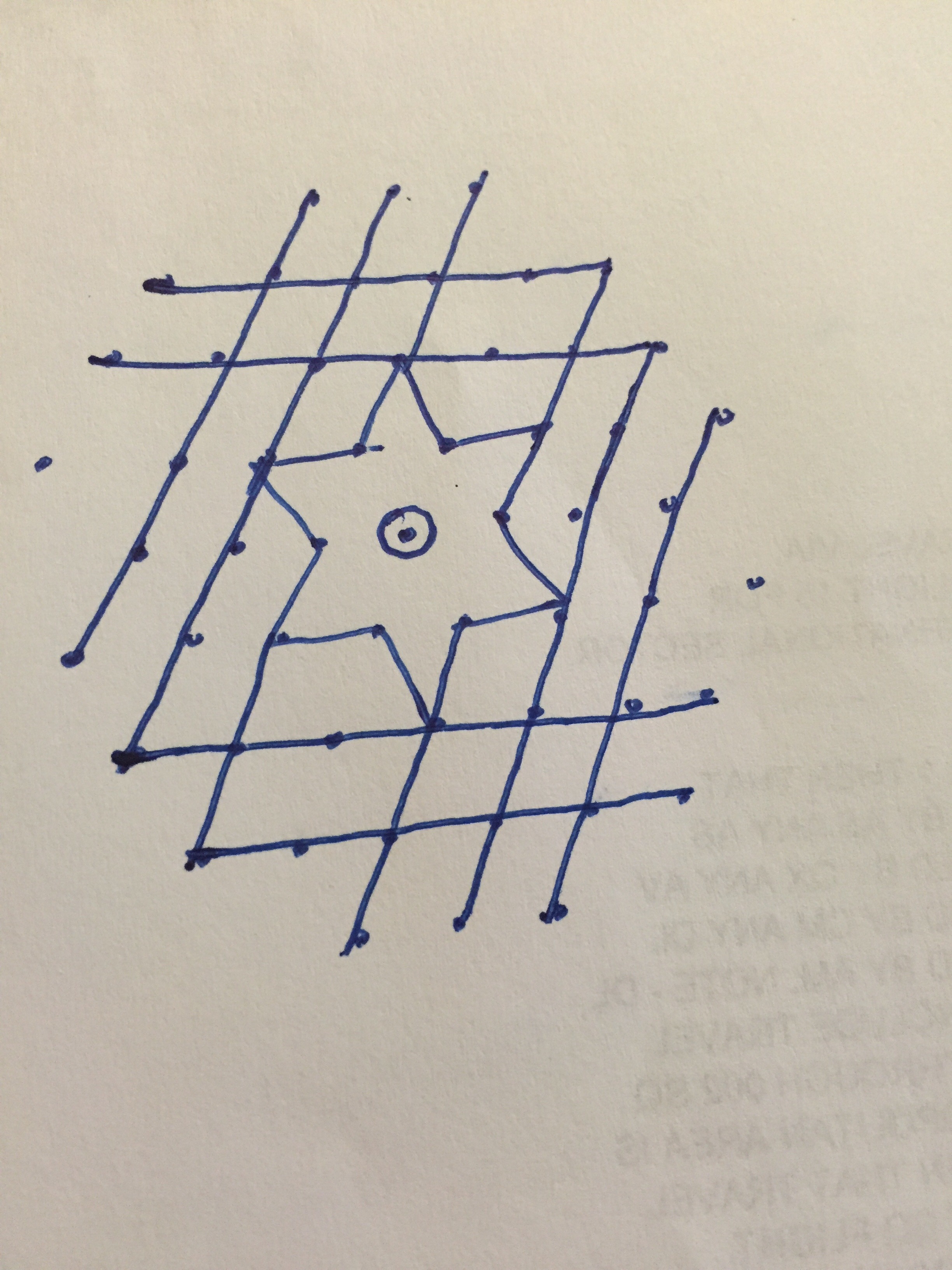
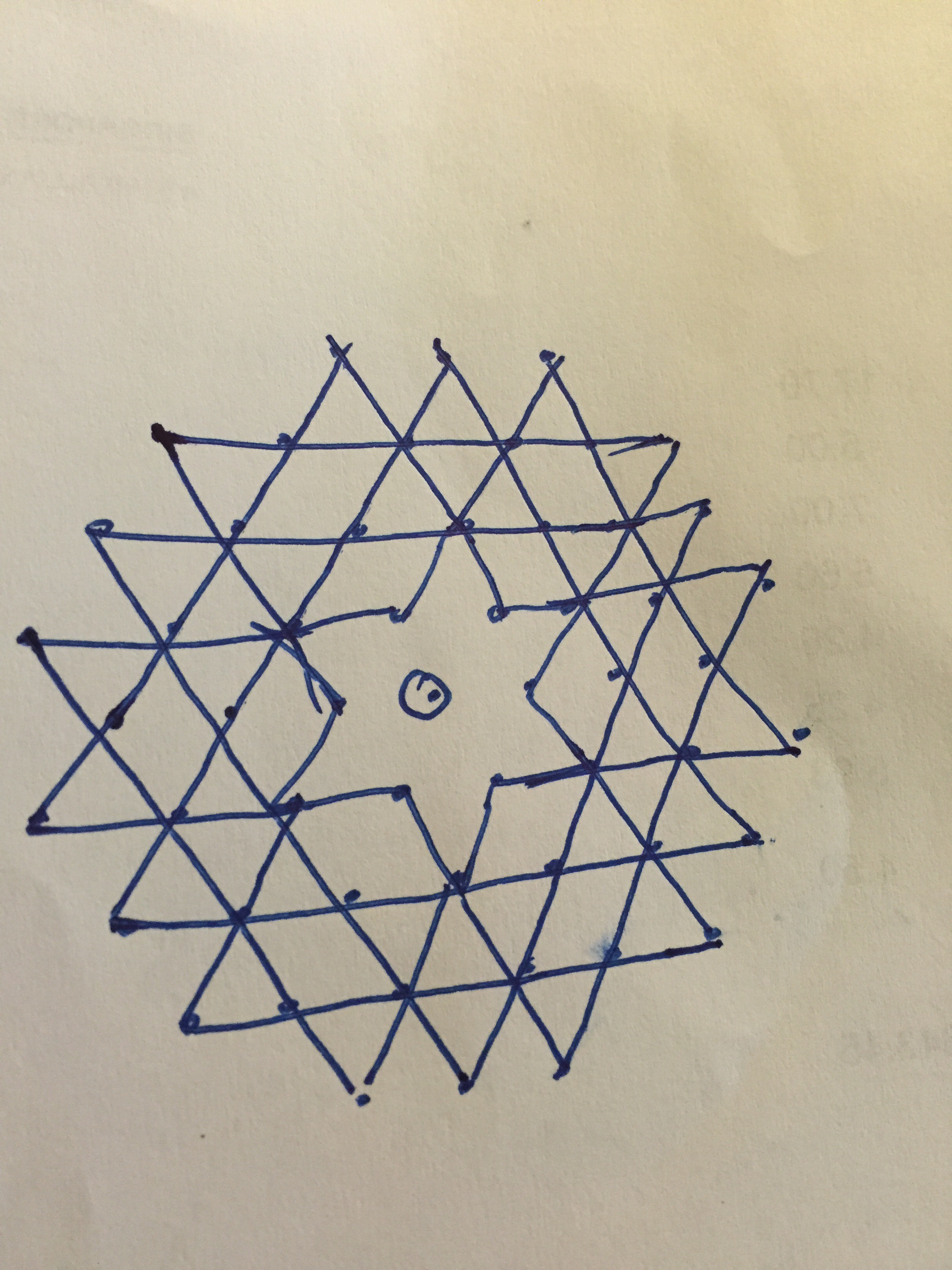
Rangoli for habba:

Dasara padagalu

Sthothragalu

When to perform?

This pooja falls on friday before pournami on Sravaana Maasa.

Who should perform?

Married ladies should undertake this pooja if this pooja is allowed in their family tradition. Purohits should be invited and this pooja must be done carefully following all procedures as per sashthras. Those who dont have family traditions, can also pray and praise Goddess Mahalakshmi by singing various dasara padgalu , reciting lakshmi sthothrams and performing ashtothram to the Photo or Idol of Goddess Mahalakshmi

Those who have traditions and unable to perform pooja because of illness, monthly cycles should do this pooja on the friday of Navarathri

Varlakshmi story:

One day when Lord Eswara is relaxing in Kailasa giri, Goddess Parvathi approached Him and asked him to tell a vrata that gives wealth and prosperity. The Lord tells her that performing Varalakshmi Vratam will bring in sowbagyam to the women folk. He narrates the story and explains the process of performing the vrata to Goddess Parvathi. This vrata has to be performed on Friday that falls before Poornima in Sukla Paksham in Sravanamasam.

The story happens in a beautiful town called Kundinagaram located in the Kingdom of Vidarbha (Vidarba Rajyam). In that Kundinagram town, Goddess Adilakshmi, being pleased by her devotion tells Charumathi in a dream and directed her to perform the vrata to enable Her to fulfil her desires. Charumathi wakes up and tells her husband about the dream. Charumathi along with some neighbourhood women takes bath in the wee hours and prepare a mandapam and invites Varalakshmi Devi. She recites the following sloka along with other women with utmost faith and devotion.

Lakshmi Ksheerasamudra rajatanyam sri rangadhameswareem
Dasibootha samastha devavanitham lokaika deepamkuram
Sri manmanda kataksha labdhivibhat brahmendra gangadharam
Twamtrayamlokyakutumbhineem sasijavandemukunda priyam

Then she wore nine threads Thoranam to right hand and offers naivadyam to Goddess Lakshmi Devi. On the completion of the first circumstance, she heard she found earrings, necklaces and other ornaments. On the second circumstance, they found bangles made of navaratnams(precious stones) to their hands. On completion of the third circumstance, they found immense wealth. Then Charumathi offers Tambulam to the brahmin priests and distribute the vrata prasadam to the relatives and lead a happy life. Since then, Hindu women perform this vrata with utmost faith and trust till today.

The origin of Varalakshmi Vratha is associated with a game of dice played between Lord Shiva and Parvati. Goddess Parvati who was winning all the games was accused of cheating by Lord Shiva. So they decided to appoint Chitranemi, a gana of Shiva, as the umpire.

Chitranemi ruled in favor of Lord Shiva and this angered Goddess Parvati who cursed him to suffer from leprosy.  Shiva asked Parvati to forgive Chitranemi and she agreed to revoke the curse if he watched Varalakshmi Vratha performed by a group of women near lakeside. The tradition of Varalakshmi Vratha started from then onwards.

This pooja is done by Many people and enjoyed the benefits. One who listens or read this story, will obtain wealth and prosperity with the blessings of sri varalakshmi

IMG_4567IMG_4568

Procedure:

  1. Do sankalpa
  2. Do Ganesha pooja
  3. Decorate kalasas
  4. Do Kalasa sthapana(Yamuna kalasa, Mahalakshmi kalasa)
  5. Pray Goddess Mahalakshmi
  6. Perform Shodasha upachara puja(Dhyanam, aasanam, paathyam, arghyam, aachamaniyam, madhubarkam, panchamrutham, aachamanuyam, kanda suthram, kandham, akshtham, pushpam, Ashtothram)
  7. Perform doopa deepam and Neivedhyam
  8. Perform pooja to the holy thread
  9. distribute upayana
  10. read the story
  11. sing Mahalakshmi songs

Thread pooja: (Thoragranthi pooja)

The thread should be tied with nine knots and perform pushpa akshtha to nine threads by following mantra

  1. kamalayai namah
  2. ramayai namah
  3. loga mathre namah
  4. vishwa jananyai namah
  5. mahalakshmai namah
  6. Ksheerabthi thanayai namah
  7. vishwa sakhinyai namah
  8. chandrasodharyai namah
  9. harivallabayai namah

Sri Lakshmi Ashtothra Satha Namavali

  1. Om Prakrityai Namah
  2. Om Vikrityai Namah
  3. Om Vidyaayai Namah
  4. Om Sarvabhuutahitapradaayai Namah
  5. Om Shraddhaayai Namah
  6. Om Vibhuutyai Namah
  7. Om Surabhyai Namah
  8. Om Paramaatmikaayai Namah
  9. Om Vaache Namah
  10. Om Padmaalayaayai Namah
  11. Om Padmaayai Namah
  12. Om Shuchaye Namah
  13. Om Svaahaayai Namah
  14. Om Svadhaayai Namah
  15. Om Sudhaayai Namah
  16. Om Dhanyaayai Namah
  17. Om Hiranmayyai Namah
  18. Om Laxmyai Namah
  19. Om Nityapushhtaayai Namah
  20. Om Vibhaavaryai Namah
  21. Om Adityai Namah
  22. Om Ditye Namah
  23. Om Diipaayai Namah
  24. Om Vasudhaayai Namah
  25. Om Vasudhaarinyai Namah
  26. Om Kamalaayai Namah
  27. Om Kaantaayai Namah
  28. Om Kaamaaxyai Namah
  29. Om Krodhasambhavaayai Namah
  30. Om Anugrahapradaayai Namah
  31. Om Buddhaye Namah
  32. Om Anaghaayai Namah
  33. Om Harivallabhaayai Namah
  34. Om Ashokaayai Namah
  35. Om Amritaayai Namah
  36. Om Diiptaayai Namah
  37. Om Lokashokavinaashinyai Namah
  38. Om Dharmanilayaayai Namah
  39. Om Karunaayai Namah
  40. Om Lokamaatre Namah
  41. Om Padmapriyaayai Namah
  42. Om Padmahastaayai Namah
  43. Om Padmaaxyai Namah
  44. Om Padmasundaryai Namah
  45. Om Padmodbhavaayai Namah
  46. Om Padmamukhyai Namah
  47. Om Padmanaabhapriyaayai Namah
  48. Om Ramaayai Namah
  49. Om Padmamaalaadharaayai Namah
  50. Om Devyai Namah
  51. Om Padminyai Namah
  52. Om Padmagandhinyai Namah
  53. Om Punyagandhaayai Namah
  54. Om Suprasannaayai Namah
  55. Om Prasaadaabhimukhyai Namah
  56. Om Prabhaayai Namah
  57. Om Chandravadanaayai Namah
  58. Om Chandraayai Namah
  59. Om Chandrasahodaryai Namah
  60. Om Chaturbhujaayai Namah
  61. Om Chandraruupaayai Namah
  62. Om Indiraayai Namah
  63. Om Indushiitalaayai Namah
  64. Om Aahlaadajananyai Namah
  65. Om Pushhtayai Namah
  66. Om Shivaayai Namah
  67. Om Shivakaryai Namah
  68. Om Satyai Namah
  69. Om Vimalaayai Namah
  70. Om Vishvajananyai Namah
  71. Om Tushhtayai Namah
  72. Om Daaridryanaashinyai Namah
  73. Om Priitipushhkarinyai Namah
  74. Om Shaantaayai Namah
  75. Om Shuklamaalyaambaraayai Namah
  76. Om Shriyai Namah
  77. Om Bhaaskaryai Namah
  78. Om Bilvanilayaayai Namah
  79. Om Varaarohaayai Namah
  80. Om Yashasvinyai Namah
  81. Om Vasundharaayai Namah
  82. Om Udaaraa.Ngaayai Namah
  83. Om Harinyai Namah
  84. Om Hemamaalinyai Namah
  85. Om Dhanadhaanyakarye Namah
  86. Om Siddhaye Namah
  87. Om Strainasaumyaayai Namah
  88. Om Shubhapradaaye Namah
  89. Om Nripaveshmagataanandaayai Namah
  90. Om Varalaxmyai Namah
  91. Om Vasupradaayai Namah
  92. Om Shubhaayai Namah
  93. Om Hiranyapraakaaraayai Namah
  94. Om Samudratanayaayai Namah
  95. Om Jayaayai Namah
  96. Om MaNgalaa Devyai Namah
  97. Om Vishhnuvaxassthalasthitaayai Namah
  98. Om Vishhnupatnyai Namah
  99. Om Prasannaaxyai Namah
  100. Om Naaraayanasamaashritaayai Namah
  101. Om Daaridryadhv.Nsinyai Namah
  102. Om Devyai Namah
  103. Om Sarvopadrava Vaarinyai Namah
  104. Om Navadurgaayai Namah
  105. Om Mahaakaalyai Namah
  106. Om Brahmaavishhnushivaatmikaayai Namah
  107. Om Trikaalagyaanasampannaayai Namah
  108. Om Bhuvaneshvaryai Namah

Sri lakshmi dwadasa naama stotram.

Thrailohkya poojithey devi kamalay vishnu vallabay
Yathaathvaam soosthiraa krishnay thadhaa bava mayi sthiraa
Eeswaree kamalaa lakshmeeh salaa poothir harippriyaa
Padhmaa padhmaalayaa samyak uchchaih padhma dhaarinee ||

Sri Lakshmi Hrudaya by Sri Vadirajaru

Sri Devi thanu Sri Damanna maneyalli
Adi anthyagallidiralu southyasukha
Roopadinda avalige vedavaalegala
oduttiralu Avalhinda hariyu mooru
manegala paalaya kethana Bhayavilla.
Modale udakavilla aadakaaranhadinda udhi
thaanaadalhu Achyuthage ambhudiyaadalu
Aaga mahaalakumi Ambarada aabaranhavaadalu
Bhombhannada aaladeleyaadalu Enembe
ivala saahasakke Sribhoodurgeya
aalisidanu hariyu Thaa aaladeleya mele
malagidanu Achyuthana hrudayadalli
lingavisishtaraada Initu jeevara hidi
tumbaakondu Thanayana nooru varsha pariyantadi
Vanajaaksha vatapatra saayanaagi Janarellaa
thamma gatige thakka saadanava Saadisikolla
lendu karuni punarapi Srushtiya
maaduvenendu laalanege prakrutiya
Mamatheyittu gunatraiyaatmaka sookshma
tathva Raasiya jeevaranu srujiyidanu hayavadananu