DEVOTIONAL · Eating · everyday · MADHWA · slokas

Sloka to chant while eating

Eating is an essential everyday activity, which is required in order to live. It is God, who has created each and every thing.

Food, hunger, living beings, all of them form the part of God’s creation.

ಬ್ರಹ್ಮಾರ್ಪಣಂ ಬ್ರಹ್ಮಹವಿಃ
ಬ್ರಹ್ಮಾಗ್ನೌ ಬ್ರಹ್ಮಣಾ ಹುತಮ್ |
ಬ್ರಹೈವ ತೇನ ಗಂತವ್ಯಂ
ಬ್ರಹ್ಮ ಕರ್ಮ ಸಮಾಧಿನಾ  ||

“Brahmaarpanam Brahma Havih Brahmaagnau Brahmana Hutam,
Brahmaiva Tena Gantavyam Brahmakarmasamaadhina”

Meaning:

A practice of offering is Brahman, the religious offering is Brahman, the device of offering is Brahman, and the fire (hunger) to which the offering is made, is also Brahman. For such a one, who abides in everything (Brahman), by him alone Brahman is reached”.

This Shloka implies that god is everywhere, in the food, inside the devotee and even the hunger is God. So, devotee is taking the food (God) to the hunger (God). To summarize, we always thank god for his divine grace.

guru · kethu · MADHWA · navagraha stothram · rahu · sani · slokas

Navagraha sthothram

Navagraha dhyanam

Nama Suryaya Somaya Mangalaya Budhaya Cha,
Guru Shukra Sanibhyascha, Rahava Kethave Namaha

Sani (Saturn)

Neelanjana samaabhasam Ravi Putram Yamaagrajam
Chaaya Marthanda Sambhootam Tam Namaami Shanaiswaram

Rahu

Ardha Kaayam Mahaa Veeryam Chandra- Aditya Vimardanam
Simhika Garbha Sambhootam Tam Rahum Pranamaamyaham

Ketu

Palaasha Pushpa Sankaasham Tarakaa Graha Mastakam
Roudram Roudraa-tmakam Ghoram Tam Ketum Pranamaamyaham

Guru (Brihaspati or Jupiter)

Deva-naam cha Rishi Naam cha Gurum kaanchana sannibham,
Buddhi Bhootam Trilokesham Tam Namaami Brihaspatim

lighting lamp · MADHWA · slokas

sloka to recite while lighting the lamp

Light is considered as a symbol of auspiciousness, prosperity and abundance. Light brings brightness with it and removes the darkness.

ದೀಪಂ ಜ್ಯೋತಿ ಪರಬ್ರಹ್ಮ ದೀಪೇನ ಸರ್ವತಮೋಪಃ
ದೀಪೇನ ಸಾಧ್ಯತೇ ದೀಪಂ ಸಂಧ್ಯಾ ದೀಪಂ ನಮೋಸ್ತುತೇ

“Deepajyothi Para Brahma :Deepajyothi Janardhana
Deepo Me Hara Tu Paapam:Deepaa Jyothir Namostute”

Meaning: I fold my hands before the lord, the maintainer of this creation, in the form of this light. I adore this light, which destroys all the pains resulting from my omissions and commissions

ಶುಭಂ ಕರೋತಿ ಕಲ್ಯಾಣಂ ಆರೋಗ್ಯ ಧನಸಂಪದಂ।
ಶತ್ರು ಬುದ್ಧಿ ವಿನಾಶಾಯ ದೀಪಜ್ಯೋತಿರ್ನಮೋsಸ್ತುತೆ।।

Subham Karoti Kalyanam:Arogyam Dhana Sampadah:
Shatru Buddhi Vinashaya  Dipa Jyotir Namostute

Meaning: “I fold my hands before the light that brings prosperity, auspiciousness, good health, abundance of wealth and destruction of the enemy’s intellect”. Here, Darkness symbolizes enemy’s intellect and with the arrival of light, darkness disappears. Likewise, light (God’s Grace) destroys darkness (enemy’s intellect).


bath · MADHWA · Morning · slokas

Sloka to chant while taking bath

ಗಂಗೇಚ ಯಮುನೇಚೈವ ಗೋದಾವರಿ ಸರಸ್ವತಿ
ನರ್ಮದೇ ಸಿಂಧು ಕಾವೇರಿ ಜಲೇಸ್ಮಿನ್ ಸನ್ನಿಧಿಂ ಕುರು

Gange cha Yamune chaiva Godavari Saraswati |
Narmade Sindhu Kaveri jalesmin sannidhim kuru ||

Meaning:

In this water(used for bath), I invoke the presence of holy waters from the rivers Ganga, Yamuna, Godavari, Saraswati, Narmada, Sindhu and Kaveri.

DEVOTIONAL · MADHWA · Mahalakshmi · slokas · varalakshmi pooja

Mahalakshmi Ashtakam

ನಮಸ್ತೇ‌உಸ್ತು ಮಹಾಮಾಯೇ ಶ್ರೀಪೀಠೇ ಸುರಪೂಜಿತೇ |
ಶಂಖಚಕ್ರ ಗದಾಹಸ್ತೇ ಮಹಾಲಕ್ಷ್ಮಿ ನಮೋ‌உಸ್ತು ತೇ || 1 ||

ನಮಸ್ತೇ ಗರುಡಾರೂಢೇ ಕೋಲಾಸುರ ಭಯಂಕರಿ |
ಸರ್ವಪಾಪಹರೇ ದೇವಿ ಮಹಾಲಕ್ಷ್ಮಿ ನಮೋ‌உಸ್ತು ತೇ || 2 ||

ಸರ್ವಙ್ಞೇ ಸರ್ವವರದೇ ಸರ್ವ ದುಷ್ಟ ಭಯಂಕರಿ |
ಸರ್ವದುಃಖ ಹರೇ ದೇವಿ ಮಹಾಲಕ್ಷ್ಮಿ ನಮೋ‌உಸ್ತು ತೇ || 3 ||

ಸಿದ್ಧಿ ಬುದ್ಧಿ ಪ್ರದೇ ದೇವಿ ಭುಕ್ತಿ ಮುಕ್ತಿ ಪ್ರದಾಯಿನಿ |
ಮಂತ್ರ ಮೂರ್ತೇ ಸದಾ ದೇವಿ ಮಹಾಲಕ್ಷ್ಮಿ ನಮೋ‌உಸ್ತು ತೇ || 4 ||

ಆದ್ಯಂತ ರಹಿತೇ ದೇವಿ ಆದಿಶಕ್ತಿ ಮಹೇಶ್ವರಿ |
ಯೋಗಙ್ಞೇ ಯೋಗ ಸಂಭೂತೇ ಮಹಾಲಕ್ಷ್ಮಿ ನಮೋ‌உಸ್ತು ತೇ || 5 ||

ಸ್ಥೂಲ ಸೂಕ್ಷ್ಮ ಮಹಾರೌದ್ರೇ ಮಹಾಶಕ್ತಿ ಮಹೋದರೇ |
ಮಹಾ ಪಾಪ ಹರೇ ದೇವಿ ಮಹಾಲಕ್ಷ್ಮಿ ನಮೋ‌உಸ್ತು ತೇ || 6 ||

ಪದ್ಮಾಸನ ಸ್ಥಿತೇ ದೇವಿ ಪರಬ್ರಹ್ಮ ಸ್ವರೂಪಿಣಿ |
ಪರಮೇಶಿ ಜಗನ್ಮಾತಃ ಮಹಾಲಕ್ಷ್ಮಿ ನಮೋ‌உಸ್ತು ತೇ || 7 ||

ಶ್ವೇತಾಂಬರಧರೇ ದೇವಿ ನಾನಾಲಂಕಾರ ಭೂಷಿತೇ |
ಜಗಸ್ಥಿತೇ ಜಗನ್ಮಾತಃ ಮಹಾಲಕ್ಷ್ಮಿ ನಮೋ‌உಸ್ತು ತೇ || 8 ||

ಮಹಾಲಕ್ಷ್ಮಷ್ಟಕಂ ಸ್ತೋತ್ರಂ ಯಃ ಪಠೇದ್ ಭಕ್ತಿಮಾನ್ ನರಃ |
ಸರ್ವ ಸಿದ್ಧಿ ಮವಾಪ್ನೋತಿ ರಾಜ್ಯಂ ಪ್ರಾಪ್ನೋತಿ ಸರ್ವದಾ ||

ಏಕಕಾಲೇ ಪಠೇನ್ನಿತ್ಯಂ ಮಹಾಪಾಪ ವಿನಾಶನಮ್ |
ದ್ವಿಕಾಲ್ಂ ಯಃ ಪಠೇನ್ನಿತ್ಯಂ ಧನ ಧಾನ್ಯ ಸಮನ್ವಿತಃ ||

ತ್ರಿಕಾಲಂ ಯಃ ಪಠೇನ್ನಿತ್ಯಂ ಮಹಾಶತ್ರು ವಿನಾಶನಮ್ |
ಮಹಾಲಕ್ಷ್ಮೀ ರ್ಭವೇನ್-ನಿತ್ಯಂ ಪ್ರಸನ್ನಾ ವರದಾ ಶುಭಾ ||


Namastestu Mahamaye Shree Pithe Sura Poojite
Shanka Chakra Gadha Haste Maha Lakshmi Namoostute

Namastestu Garudarudhe Kolasura Bhayankari
Sarva Papa Hare Devi Maha Lakshmi Namoostute

Sarvajne Sarva Varade Sarva Dushta Bhayankari
Sarva Duhkha Hare Devi Maha Lakshmi Namoostute

Siddhi Buddhi Prade Devi  Bhakti Mukti Pradayini
Mantra Moorte Sada Devi Maha Lakshmi Namoostute

Adyanta Rahite Devi  Adi Shakti Maheshwari
Yogaje Yoga Sambhute Maha Lakshmi Namosthute

Sthula Sukshme Maha Raudre Maha Shakti Mahodari
Maha Papa Hare Devi Maha Lakshmi Namoostute

Padmasana Sthithe Devi Parabrahma Swaroopini
Parameshi Jagan Mata Maha Lakshmi Namoostute

Shwetambara Dhare Devi Nanalankara Shobhite
Jagasthithe Jaganmata Maha Lakshmi Namoostute

Maha Lakshmyashtakam Stotram Yah Patheth Bhakti Man Narah
Sarva Siddhi Mavapnoti Rajyam Prapnoti Sarvada

Eka Kalam Pathennityam Maha Papa Vinashanam
Dwikalam Yah Pathennityam Dhana Dhanya Samanvitah

Trikalam Yah Pathennityam Maha Shatru Vinashanam
Maha Lakshmi Bhavennityam Prasanna Varada Shubhah

MADHWA · Mahalakshmi · Shobane · slokas · Uncategorized · Vadirajaru · Varalakshmi

Lakshmi Shobhane(Shobhana vennire!!!)

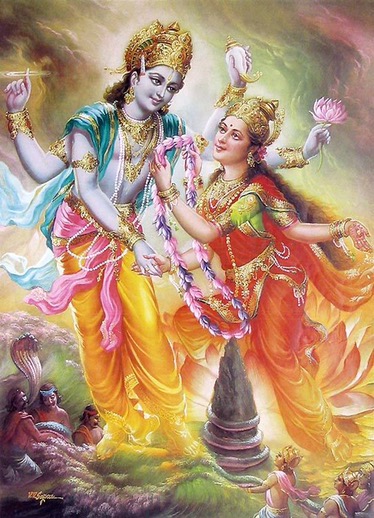
Once, Sri Vaadiraajaru during His desa sanchaara reached a village where the local landlord was conducting the wedding of his daughter. During the course of the marriage rituals an unexpected incident happened; suddenly the bridegroom died due to a snake bite. The Landlord knowing the arrival of Sri Vaadiraajaru in the town approached Him and prayed Him to retrieve his daughter’s Maangalya Bhaagya that was lost before her wedding itself.

source: Google

Sri Vaadiraajaru showed pity on the landlord and he immediately composed song in Kannada language ‘Sri Lakshmi Shobane’ comprising 112 verses describing Goddess Lakshmi’s marriage to Lord Sri Hari when she emerged out from Ksheera Saagara (ocean of milk) and this action of Sri Vaadiraajaru brought back the life of the bridegroom and the wedding took place. This song is composed by vadirajaru the way he dreamt of sri mahalakshmi everyday.

Indu svapnadalli kondadisikonda lakShmI-

kAMtana kaMdanenisuva

Shobana means mangala or auspiciousness. Goddess Lakshmi is Sarva Mangala; who is not only the Goddess of wealth but, She is all powerful who is also capable of blessing us with gooD health and life. That was the power in the lines of Sri Vaadiraajaru and Goddess Lakshmi was obliged to revive the bridegroom.

The powerful Lakshmi Shobana is highly meritorious and enhances the marriage prospects for the unmarried and bestow upon the unmarried girls the fortune of a good husband with long and happy married life. It is also believed to bring in peace, prosperity and auspiciousness at the home/place where it is recited and listened.

Madhuveya maneyalli ee pathana padidhare madhumakkalige mudavahudhu

Vadhugalige oleya bagya dhina dhinake hecchuvudhu | madhananayyana krupayendha

Recite this song everyday.

AyuShya bhaviShya dinadinake hechchAguvadu ni-

rAyAsadiMda sukhiparu ||

One who recites this everyday, their family is blesses with good health, life and lives happily.

Please find the attached links of lakshmi shobane.

lakshmi-shobane-kannada

lakshmi-shobhane-english


MADHWA · Morning · sleep · slokas

Sloka to recite early morning in bed

Wake up everyday with a positive thought. Morning gives positive energy. It is the best time of the day to start your prayer.

This shloka is to be recited in the morning. when you get up, just sit in the bed and Relax. Chant this shloka with eyes still closed, and open them by the fourth part (ma~NgalaM karadarshanam) and see your hands and smile.

This exercise is so good, that it helps you stabilize your blood pressure. After lying down for 6-7 hours and if you suddenly get up for alarm or some sound, there can be a pressure drop in the brain and this is known to be the most important factor in early morning strokes. Both shlokas when recited slowly will take about 1-2 minutes which is sufficient for  your brain to get used to new blood pressure.

 ಕರಾಗ್ರೇ ವಸತೇ ಲಕ್ಷ್ಮೀ ಕರಮಧ್ಯೆ ಸರಸ್ವತಿ
ಕರಮೂಲೇ ತು ಗೋವಿಂದಃ ಪ್ರಭಾತೇ ಕರದರ್ಶನಂ

Karaagre Vasate Lakshmi Karamadhye Sarasvati,
Karamuule Tu Govinda Prabhaate Kara dharshanam
Meaning: The front part of the hands (the finger tips) is credited to Goddess Lakshmi, the Goddess of wealth. The middle part or palm is credited to Goddess Saraswati, the Goddess of learning and the root (the part of hand near the wrist) to Govinda. So, every morning, one should have a  look at one’s hand which represents sincere labor.

ಸಮುದ್ರ ವಸನೆ ದೇವಿ ಪರ್ವತ ಸ್ತನಮನ್ದಲೆ
ವಿಷ್ನುಪತ್ನಿ ನಮಸ್ತುಭ್ಯಂ ಪಾದಸ್ಪರ್ಶಂ ಕ್ಷಮಸ್ವಮೆ
 Samudravasane Devi Parvatastanamandale,
Vishhnupatni Namastubhyam Paadasparsham Kshamasva Me
Meaning: I bow to Mother Earth, who has mountains and jungles on her body and whose clothing is made by the ocean. The wife of Lord Vishnu, please pardon me for touching you with my feet.


DEVOTIONAL · MADHWA · slokas · vyasarayaru

Yantrodharaka Hanuman Stothram

Significance:

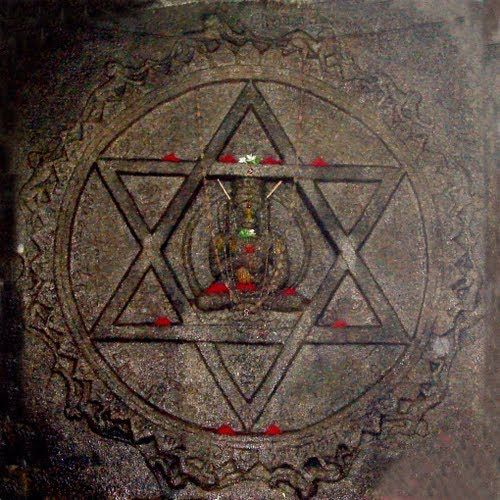
Sri Vyasarajathirtharu [Vyasarayaru]  used to meditate everyday on the banks of River Tungabhadra. One day, while he was meditating He visualized an Image of Lord Hanuman. This happened only at that particular place and nowhere else. So next time, he drew that image of Hanumaan on a rock. To his surprise, a monkey came to life from the rock and jumped out of the rock and his drawing disappeared. This happened 12 times. Every time a monkey would come alive, jump out and his drawing would disappear. Finally he drew a Yantra around the picture so that the monkey will not go out of the rock. Please see the featured Image.  He bound the Lord Hanumaan inside the Yantra. Here the Lord Hanumaan is in sitting position inside the Yantra. This is the place where he wrote the famous Yanthroddharaka Hanuman sthothram.

Location:

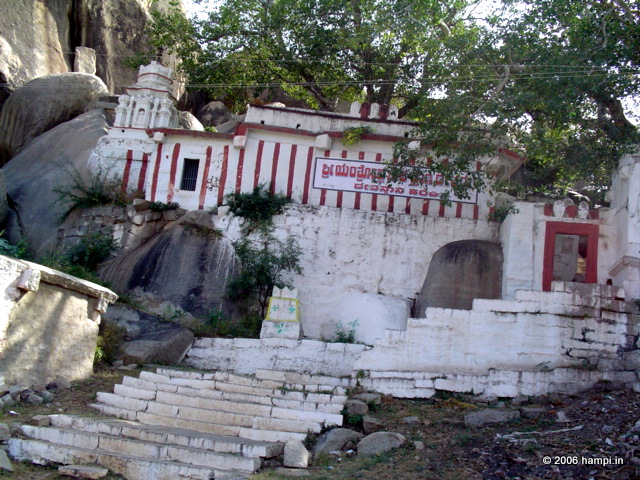
This temple is located at Hampi, Karnataka. Just behind the Kodandarama Temple you can spot this shrine on top of the small hill.

hiccc.jpg
Yantrodharaka Hanuman Temple at Hampi (Source: Google)


Sloka:

ನಮಾಮಿ ದೂತಂ ರಾಮಸ್ಯ ಸುಖದಂ ಚ ಸುರದ್ರುಮಮ್
ಪೀನವೃತ್ತ ಮಹಾಬಾಹುಂ ಸರ್ವ ಶತೃ ನಿವಾರಣಂ ||೧||

ನಾನಾರತ್ನ ಸಮಾಯುಕ್ತಂ ಕುಂಡಲಾದಿ ವಿರಾಜಿತಮ್
ಸರ್ವದಾಭೀಷ್ಠದಾತರಾಂ ಸತಾಂ ವೈ ಧೃಢಮಾವಹೇ ||೨||

ವಾಸಿನಂ ಚಕ್ರ ತೀರ್ಥಸ್ಯ ದಕ್ಷಿಣಸ್ಥ ಗಿರೌಸದಾ
ತುಂಗಾಂಬೋಧಿ ತರಂಗಸ್ಯ ವಾತೇನ ಪರಿಶೋಭಿತೇ ||೩||

ನಾನಾದೇಶಗತೈಃ ಸದ್ಭಿಃ ಸೇವ್ಯಮಾನಂ ನೃಪೋತ್ತಮೈಃ
ಧೂಪದೀಪಾದಿ ನೈವೇದೈಃ ಪಂಚಖಾದ್ಯೈಶ್ಚಶಕ್ತಿತಃ ||೪||

ಭಜಾಮಿ ಶ್ರೀ ಹನೂಮತಂ ಹೇಮಕಾಂತಿ ಸಮಪ್ರಭಮ್
ವ್ಯಾಸತೀರ್ಥ ಯತೀಂದ್ರೇಣ ಪೂಜಿತಂ ಪ್ರಣಿಧಾನತಃ ||೫||

ತ್ರಿವಾರಂ ಯಃ ಪಠೇನ್ನಿತ್ಯಂ ಸ್ತೋತ್ರಂ ಭಕ್ತ್ಯಾ ದ್ವಿಜೋತ್ತಮಃ
ವಾಂಛಿತಂ ಲಭತೇ ಭೀಷ್ಟಂ ಷಣ್ಮಾಸಾಭ್ಯಂತರೇ ಖಲು ||೬||

ಪುತ್ರಾರ್ಥಿ ಲಭತೇ ಪುತ್ರಾನ್ ಯಶಾರ್ಥಿ ಲಭತೇ ಯಶಃ
ವಿದ್ಯಾರ್ಥಿ ಲಭತೇ ವಿದ್ಯಾಂ ಧನಾರ್ಥಿ ಲಭತೇ ಧನಂ ||೭||

ಸರ್ವಥಾ ಮಾಸ್ತು ಸಂದೇಹೋ ಹರಿಃ ಸಾಕ್ಷೀ ಜಗತ್ಪತಿಃ
ಯಃಕರೋತ್ಯತ್ರ ಸಂದೇಹಂ ಸಯಾತಿ ನರಕಂ ಧೃವಮ್|| ೮||


Namami Dootham Ramasya Sukhadam cha Suradrumam
Beenevritha Mahabaahum Sarva Shathru Nivaranam

Naanaaratna Samayukta kundaladhi Virajitam
Sarvadaabheesta Dhataram Satham vy drida Mahave

Vaasinam Chakratheerthasya Dakshinastham Girousadha
Thungaambhodi Tharangasya Vathena Parishobhithe

Naana Desha Gatheih Sadbhihi sevyamaanam Nripothamaihi
Dhoopa Deepadhi Neivedyai Panchakaadhyascha Shakthithah

Bhajaami Sri Hanumantham Hemakaanthi Samaprabham
Vyasatheertha Yatheendranam Poojitham Pranidhanathaha

Thrivaaram Yah Patennithyam Sthothram Bhakthya Dwijothama
Vanchitham labathebhistam shanmasabyantharekalu

Putrarthi Labhathe Putra Yashorthi Labhathe Yashaha
Vidhyaarthi Labhathe Vidhyam Dhanaarhti Labhathe Dhanam

Sarvatha Maasthu Sandeho Harihi Sakshath Jagathpathihi
Yah Karothyathra Sandeham Sayathi Narakam Dhruvam

Benefits:

In the pala sthuthi it is mentioned, chanting this sloka three times a day with complete dedication and bhakthi for a period of six months, one’s wish will be fullfilled.

Hari Sarvothamah

Also the Last phrase indicates, Never doubt on Lord sri Hari, The Master of universe,  And he who doubts this eternal truth would go to hell for sure. Thus Vyasarajaru Emphasizes the concept of Hari Sarvothamah!!!