adhika maasa · chathur maasa · DEVOTIONAL · everyday · FESTIVALS · MADHWA · POOJA

Madhwa Festivals and Months

This is my 200th post 🙂 As a special milestone, I am blogging a handy calendar or checklist for the important festivals in every month paksha wise and some important concepts in Madhwa calendar including chaathur Maasa and Adhika Maasa

Pitru paksha begins

Month/Maasa Maasa niyamaka Paksha Thithi Festival/event
Chaitra Padmini – Vishnu Shukla Pratipat Ugadi
Tritiya Shri matsya jayanthi
Navami Rama Navami
Purnima Hanuman Jayanti
Vaishaka snana begins
Krishna Chathurdashi Shri varaha jayanthi
Vaishaka Kamalalaya – Madhusudhana Shukla Tritiya Akshaya Trutiya
Shri parasurama jayanthi
Chaturdashi Narasimha Jayanti
Dasami Srinivasa kalyana
Trayodashi Veda Vyasa Jayanti
Pournima Shri kurma Jayanthi
Vaishaka snana ends
Jyeshta Ramaa – Trivikrama Shukla Dashami Bhageerathi Jayathi
Pournami Vata savithri vrata
Ashaada Vrushakapi – vamana Shukla Ekadashi Chathur masa beginning
Amavasya Deepa sthamba pooja
Shravana* Dhanya  – Sridhara Shukla Chaturthi Naga Chathurthi
Panchami Naga Panchami
Sukravara(Friday) Varalakshmi vrata
Shravana Nakshathra Rig veda upakarma
Pournami Yajur veda upakarma
Hayagreeve jayanthi
Krishna Ashtami Krishna Jayanthi
Bhadrapada Vruddhi – Hrishiskesha Shukla Dhvithiya Shri varaha and Dhanvanthri jayanthi
Tritiya Swarna gowri vrata
Chathurthi Ganesha chathurthi
Panchami Rishi Panchami
Dwadasi Vamana jayanthi
Chathurdashi Ananta chathurdashi
Krishna Prathima
Amavasya Mahalaya Amavasya
Ashwija Yagna – Padmanabha Shukla Prathama Navrathri begins
Saptami Saraswathy Pooja begins
Ashtami Durgashtami
Navami Ayudha Pooja
Dashami Madhva jayanthi/Vijaya dasami
Pournima Karthika snana begins
Krishna Chathurdashi Naraka chathurdashi
Amavasya Deepavali/Laxmi Pooja
Karthika Indira – Damodhara Shukla Pratipat Bali padyami
Dvadashi Tulasi vivaha
Pournima Karthiga snana ends
Dhathri Havana
Margashira Shri – Kesahva Shukla Shasti Subramanya Shashti
Ekadashi Geetha Jayanthi
Ashtami Bhima jayanthi
Dhanur Sankarshana     Laxmi Narayana Pooja
Pousha Laxmi Narayana Shukla Pournami Magha snana begins
Maagha Kamala – Madhava Shukla Sapthami Ratha sapthami
Ashtami Bheesmastami
Navami Madhva Navami
Pournima Magha snana ends
Phalguna Padma – Govinda Shukla Pournami Holi

*On Every Tuesday of Shravana Maasa, Married ladies for the first five years after wedding should do  Mangala Gowri Pooja
Chathur Maasya:

 These four months are said to be pleasing to Lord Sri Maha Vishnu when He enters into Yoga Nidra (Divine slumber) on Aashada Sukla Ekadasi day called Deva Sayani or Hari Sayani Ekadasi.and He gets up from Yoga Nidra on Kartheeka Sukla Dwadasi day called Uttana Dwadasi.

  1. SHAKA VRATHA – Ashada Shudda Ekadashi to Shravana Shudda Dashami
  2. DADHI VRATHA -Shravana Shudda Ekadashi to Bhadrapada Shudda Dashami
  3. KSHEERA VRATHA – Bhadrapada Shudda Ekadashi to Ashwayuja Shudda Dashami
  4. DVIDALA VRATHA – Ashwayuja Shudda Ekadashi to Karthika Shudda Dashami

Dakshinayana and Uttarayana:

  • Uttarayana starts on Makara Sankramana Day, usually January 14 or 15th and Dakshinayana starts usually on July 15th or 16th.
  • Starting from Makara (Capricorn) up to Mithuna (Gemini), the travel of Sun is called as Uttarayana and starting from Karkataka (Cancer) up to Dhanus (Sagittarius) it is known as Dakshinayana.
  • It is believed and said that Uttarayana represents Devathas and Dakshinayana represents Pithrus.
  • It is also said that Uttarayana is the day time and Dakshinayana is the night time for devathas.That is one human year is equal to one day for devathas

Adhika Maasa:

Adhika Masa is the thirteenth month in a Calender year followed by Lunar Calender,i.e., Chandramana reethya.

The concept of adding one extra month after every 33 months is known as Adhika Masa.

Maasa Niyamaka: Purushotthama

Mannenethina Amavasya


FESTIVALS · Gowri · gowri ganesha habba · MADHWA · POOJA · swarna gowri

Swarna gowri vratha

find other useful links:

  1. Dasara padgalu on Gowri
  2. MARADHA BHAGINA & UDI THUMBODHU
  3. Arathi haadu – Gowri
  4. Gowri neivedhya Haadu
  5. Traditional gowri pooje haadu
  6. Gowri ashtothra namavali

This Festival comes usually a day before Ganesh Chaturthi.

  • This is widely celebrated festival in karnataka.
  • For this festival the daughters of the house are invited along with their spouses and gifts are given.
  • Shri Swarna Gowri Vratha or Gowri Habba is celebrated on Thrithya of Badrapada Shukla Maasa.
  • On this day, Ladies are suggested to take head bath to purify themselves before offering pooja.
  • Deocrate the mantapa
  • Clean the place where Gowri is to be kept
  • mostly some traditions allow harshina gowri and some people follow gowri made with clay
  • Draw a rangoli and place a plank or a mantap and put a handful of rice, on it.
  • place the gowri on the rice
  • To the right of the Gowri keep beetel leaves, beetul nuts and fruit
  • To the left or front keep kadole, karimani, toe rings, haldhi, kumkum, kajal and a small comb.(whatever available with you atleast)
  • Do all this arrangements on the morning of the puja after a oil bath and when there is no rahu kala or yamaganda.
  • When you start the puja, keep ready all the items mentioned , plus water, panchamrutha or raw milk, or Madhuparka ie a mix of honey ,curds and ghee.
  • Perform sankalpa
  • do shodashopachara pooja
  • Perform puja to the Dhora(thread) coloured yellow with 16 Knots as many as the number of women and children in the house. Keep this in front of gowri and do puja to this too. After this perform arathi.
  • Next give haladhi kumkum and flowers and thambula with dhakshina and a coconut or friut to all the Sumangalis
  • Tie the dora, while tieing dora on the right hand give a fruit to keep in the hand while tieing the dora.
  • Give a maradha bhagana with a choli or saree /blouse.
  • In evening light lamps and perform arathi.
  • Swarna gowri is kept along with Ganesha for 3,5,7 9 and 11 days as per the convenience of the family.
  • Some people do visarjanaa on the same day.
  • It is said that Gowri used to go to her materal home on this day and next day Ganesha used to come and take back gowri with him
  • By tradition, Girls are invited to their parents home and celebrations happen with wonderful pooja and habbadha adige
  • Newly married women give 5 pairs or 16 pairs of mora to sumangalis. From the second year onwards 5 pairs of mora is given upto 5 years. From the sixth year onwards, 2 pairs of mora are exchanged with Sumangalis.
  • as per our sampraadaya, morada bagina has to be preferably given for spouse’s sister and second one to the pooja doer’s mother itself.
  • In case if there is no sister in your husband family, prioritize his cousins or atleast distribute to your mother-in-law
  • It is believed that by performing this puja unmarried girls will get good husbands and married women will have a healthy and peaceful family life.

Swarna gowri ashtothram

ōṁ mahāmanōnmaṇīśaktyai namaḥ ||
ōṁ śivaśaktyai namaḥ ||
ōṁ śivaṅkaryai namaḥ ||
ōṁ icchāśaktikriyāśaktijñānaśaktisvarūpiṇyai namaḥ ||
ōṁ śāntyatītakalānandāyai namaḥ ||
ōṁ śivamāyāyai namaḥ ||
ōṁ śivapriyāyai namaḥ ||
ōṁ sarvajñāyai namaḥ ||
ōṁ sundaryai namaḥ ||
ōṁ saumyāyai namaḥ ||
ōṁ saccidānandarūpiṇyai namaḥ ||
ōṁ parāparāmayyai namaḥ ||
ōṁ bālāyai namaḥ ||
ōṁ tripurāyai namaḥ ||
ōṁ kuṇḍalyai namaḥ ||
ōṁ śivāyai namaḥ ||
ōṁ rudrāṇyai namaḥ ||
ōṁ vijayāyai namaḥ ||
ōṁ sarvāyai namaḥ ||
ōṁ śarvāṇyai namaḥ ||
ōṁ bhuvanēśvaryai namaḥ ||
ōṁ kalyāṇyai namaḥ ||
ōṁ śūlinyai namaḥ ||
ōṁ kāntāyai namaḥ ||
ōṁ mahātripurasundaryai namaḥ ||
ōṁ mālinyai namaḥ ||
ōṁ māninyai namaḥ ||
ōṁ madanōllāsamōhinyai namaḥ ||
ōṁ mahēśvaryai namaḥ ||
ōṁ mātangyai namaḥ ||
ōṁ śivakāmyai namaḥ ||
ōṁ cidātmikāyai namaḥ ||
ōṁ kāmākṣyai namaḥ ||
ōṁ kamalākṣyai namaḥ ||
ōṁ mīnākṣyai namaḥ ||
ōṁ sarvasākṣiṇyai namaḥ ||
ōṁ umādēvyai namaḥ ||
ōṁ mahākālyai namaḥ ||
ōṁ sāmāyai namaḥ ||
ōṁ sarvajanapriyāyai namaḥ ||
ōṁ citpurāyai namaḥ ||
ōṁ cidghanānandāyai namaḥ ||
ōṁ cinmayyai namaḥ ||
ōṁ citsvarūpiṇyai namaḥ ||
ōṁ mahāsarasvatyai namaḥ ||
ōṁ durgāyai namaḥ ||
ōṁ jvālādurgādimōhinyai namaḥ ||
ōṁ nakulyai namaḥ ||
ōṁ śuddhavidyāyai namaḥ ||
ōṁ saccidānandavigrahāyai namaḥ ||
ōṁ suprabhāyai namaḥ ||
ōṁ suprabhājvālāyai namaḥ ||
ōṁ indrākṣhyai namaḥ ||
ōṁ sarvamōhinyai namaḥ ||
ōṁ mahēndrajālamadhyasthāyai namaḥ ||
ōṁ māyāyai namaḥ ||
ōṁ māyāvinōdinyai namaḥ ||
ōṁ viśvēśvaryai namaḥ ||
ōṁ vr̥ṣārūḍhāyai namaḥ ||
ōṁ vidyājālavinōdinyai namaḥ ||
ōṁ mantrēśvaryai namaḥ ||
ōṁ mahālakṣmyai namaḥ ||
ōṁ mahākālīphalapradāyai namaḥ ||
ōṁ caturvēdaviśēṣajñāyai namaḥ ||
ōṁ sāvitryai namaḥ ||
ōṁ sarvadēvatāyai namaḥ ||
ōṁ mahēndrāṇyai namaḥ ||
ōṁ gaṇādhyakṣāyai namaḥ ||
ōṁ mahābhairavapūjitāyai namaḥ ||
ōṁ mahāmāyāyai namaḥ ||
ōṁ mahāghōrāyai namaḥ ||
ōṁ mahādēvyai namaḥ ||
ōṁ malāpahāyai namaḥ ||
ōṁ mahiṣāsurasaṁhāryai namaḥ ||
ōṁ caṇḍamuṇḍakulāntakāyai namaḥ ||
ōṁ cakrēśvaryai namaḥ ||
ōṁ caturvēdyai namaḥ ||
ōṁ sarvadāyai namaḥ ||
ōṁ suranāyikyai namaḥ ||
ōṁ ṣaṭśāstranipuṇāyai namaḥ ||
ōṁ nityāyai namaḥ ||
ōṁ ṣaḍdarśanavicakṣaṇāyai namaḥ ||
ōṁ kālarātryai namaḥ ||
ōṁ kalātītāyai namaḥ ||
ōṁ kavirājamanōharāyai namaḥ ||
ōṁ śāradātilakākārāyai namaḥ ||
ōṁ dhīrāyai namaḥ ||
ōṁ dhīrajanapriyāyai namaḥ ||
ōṁ ugrabhāryai namaḥ ||
ōṁ mahābhāryai namaḥ ||
ōṁ kṣipramāryai namaḥ ||
ōṁ raṇapriyāyai namaḥ ||
ōṁ annapūrṇēśvaryai namaḥ ||
ōṁ mātrē namaḥ ||
ōṁ svarṇākārataṭitprabhāyai namaḥ ||
ōṁ svaravyaṁjanavarṇōdayāyai namaḥ ||
ōṁ gadyapadyādikāraṇāyai namaḥ ||
ōṁ padavākyārthanilayāyai namaḥ ||
ōṁ bindunādādikāraṇāyai namaḥ ||
ōṁ mōkṣēśamahiṣyai namaḥ ||
ōṁ satyāyai namaḥ ||
ōṁ bhuktimuktiphalapradāyai namaḥ ||
ōṁ vijñānadāyinyai namaḥ ||
ōṁ prajñāyai namaḥ ||
ōṁ prajñānaphaladāyinyai namaḥ ||
ōṁ ahaṅkārakalātītāyai namaḥ ||
ōṁ parāśaktyai namaḥ ||
ōṁ parātparāyai namaḥ ||
śrī mahāgauryai namaḥ ||

Swarna gowri katha:

Parvati undertook a severe penance to win over the love of Lord Shiva. She did the penance for 16 years, during which She survived only on grass and fruits. Lord Shiva pleased with Her penance finally relented and married Goddess Parvati. This is also one of the reasons for married women performing the Puja for 16 years.

Shanmukha, the son of Lord Shiva asked His father to narrate a Vratha that could be observed by everyone and which would bestow progeny, prosperity and bliss. Lord Shiva narrated the story to Shanmukha as follows:

There once lived a King, Chandraprabha who was ruling Vimalapur, a city on the banks of the Saraswathi River. All his subjects lived happily under his rule. He had two wives. He loved his first wife, the most.

One day, the King entered a dense forest for hunting.  He killed several wild animals such as boar, lion etc. He was tired and was feeling thirsty too. He went in search of water. He saw a pond nearby and descended from his horse to take some water. He saw some women offering Puja near the pond. Curious to know about the Puja, he asked one of the women about the Puja and its significance.

The women said that the Vratha is known as Swarna Gauri Vratha and by performing the Vratha, all the wishes would be bestowed. It is performed on Bhadrapada Shukla Trithiya by married women. They explained the rituals also associated with the Puja. The king was very happy to hear the story. He performed the Vratha with great devotion and tied the sacred thread on his right wrist and came back to his palace.

The king explained about the Vratha to both his wives. The first wife was very angry at his narration, snatched the thread from his right wrist and threw it on a nearby plant which had dried up. After some days, fresh leaves began to sprout from the dried plant. The king’s second wife was happy to see life in the dried plant. She took the thread from the plant and tied it to her wrist and performed the Puja. She was blessed with wealth and prosperity and love of the King.

The first wife, due to her ignorance about the Vratha had to leave the palace. She roamed in forests and had to undergo untold sufferings. As her suffering became unbearable, she wept inconsolably. Goddess Parvati appeared before her and consoled the queen. The queen realised her folly and observed Swarna Gauri Vratha with all devotion. Goddess Gauri bestowed happiness and love of her husband. Both the King and the queen lived happily.

FESTIVALS · MADHWA · maradha baghina · POOJA

MARADHA BHAGINA & UDI THUMBODHU

MARADHA BHAGINA

For any festival Gowri habba, varalakshmi habba or any dhana , maradha baghina is a tradition followed in Madhwa families. Giving maradha bagina completes most of the vratas/festivals. Arrange all the things needed for bhagina in a day advance and keep it separately.

Things needed:

  • 2 Moras
  • turmeric and kumkum for decorating moras
  • Items to keep inside moras
    • Rice about
    • tur dal
    • chana dal, mung dal , urad dal
    • Dry chilly
    • dhania/coriander seeds
    • a table spoon each of jeera, pepper, methi, and mustard
    • rava/maida
    • tamarind
    • jaggery
    • oil and ghee
    • milk and dahi
    • any two vegetables
    • Haldhi kumkum,
    • bichole karugamani
    • coconut
    • Gejje vastra
    • Bangles
    • Small Mirror, Comb
    • blouse or a saree
    • blouse piece.
images
source: Google Image
  • When this is given to a suhasini(mutthaidharu) it should contain all the ingredients enough for two people atleast to cook and eat for one day.
  • If living abroad and cannot get the moras , buy a big plastic box with lid and use it

Procedure:

Place a mat facing East in front of god for muthaide to sit.
Do avahana of Goddess Gowri/Laxmi by putting manthrakshate on muttaide.
Put Turmeric on muttaide’s feet and then wash it with warm water. Give Kumkum and Gandha, to muttaide
Apply oil on muttaide’s head and comb it. Give her flowers, kajal to wear & then show her mirror
Light deepa in front of muttaide and give Pan leaves, Dakshine, Coconut, Fruits and Clothes/Blouse Piece
Hold your saree seragu/Pallu and muttaide’s will hold her seragu/Pallu so that the top of the mora is covered, then swing the mora 3 times (by saying below lines) to do daana.
Once done, uncover the mora and show to muttaide the items kept inside the mora.

while giving bhagina, the giver says “MUTHAIDHI MUTHAIDHI MORADHA BHAGINA THOGO”.
The receiver must say “SAVITRI SAVTHRI MARADHA BHAGANA KODU”

Repeat this three times.

Mantra to say while giving baagina:
ರಾಮಪತ್ನಿ ಮಹಾಭಾಗೇ ಪುಣ್ಯ ಮೂರ್ತಿ ನಿರಾಮಯೇ |
ಮಯಾದತ್ತಾನಿ ಶೂರ್ಪಾಣಿ ತ್ವಯಾ ಸ್ವೀಕೃತಾ ಜಾನಕಿ ||

Raama patni mahaabhaagE puNya moorty niraamaye |
Mayaa dattaani shoorpaaNi twayaa sweekrutaa Jaanaki ||

Mantra to say while taking Bhagina:
ರಾಮ ಪತ್ನಿ ಮಹಾಭಾಗೇ ಪುಣ್ಯಮೂರ್ತಿ ನಿರಾಮಯೇ |
ತ್ವಯಾ ದತ್ತಾನಿ ಶೂರ್ಪಾಣಿ ಮಯಾ ಸ್ವೀಕೃತಾ ಜಾನಕಿ ||

Raama Pathni Mahabhaage puNya moorty niraamaye|
Twayaa dattaani shoorpaaNi mayaa sweekrutaa Jaanaki ||

  • After this do namaskara and seek the muthaidhi’s blessing.

UDI THUMBODHU:

  • Items needed: Rice , 2 haldi sticks, supari, and coconut.
  • The suhasini should accept this in her saree pallu.
  • The giver should put rice coconut and supari five times
  •  the suhasini will put a little rice back three times.
FESTIVALS · ganesh · ganesh chathurdhi · ganesh chathurthi · MADHWA · POOJA

Ganesh Chathurthi

Sthothragalu

  1. Ganesha Shodasa Nama stotram
  2. Ganesha dwadasa nama sthothram 

Ashtothram

  1. Ganesha ashtothra satha namavali
  2. Sri ganesha/vigneshwara shodasa namavali

Dasara padagalu

  1. Dasara padagalu on Ganapathi
  2. Vigneshwara sthothra sandhi – Hari kathamruta saara

Sloka for kids:

  1. Ganesh slokas

click the link: Vigneshwara kathe 

Ganesha rangoli

Ganesh Chaturthi or Vinayaka Chaturthi is one of the most colorful and widely celebrated festivals in India.

Ganapathi is in the 18th Kakshya alongwith Vishwaksena, Sheshashatastaru, Kubera, and Ashwini Devategalu.

Ganesha is the son of Parvathi – Parameshwara. Vinayaka is the abhimani devata for akaasa (space or sky) – bhootakaasha. He has Mooshika as his vaahana, he has modaka in his hands,   We have to worship Ganapathi as the Srihari’s parivara devate.  We must never worship him as supreme

Acharya Madhwa in his Maandookopanishat Bhashya has written –  Sri Ganesha is the aradhaka of Vishwa Taijasa roopa.  Both are are Jaagrat and Svapnavaste niyamaka roopa.  – i.e., Vishvambara roopa.  It has 19 heads.  The Central face is Gajamukha, whereas the other 18 faces are human and other faces.  Ganesha was doing the chintana of “Vishvambara roopa” of Srihari.  As such, he got the Gajamukha.

vinaya chathurthi is celebrated on bathrapada maasa sukla paksha chathuthi every year

Why we should not see chandra on Ganesh chathurthi?

once Ganapathy was sitting on his chariot rat (mooshika Vahana Ganapathy) after eating heavy food on Bhadrapada Shudda Chaturthi.  The rat saw a snake passing nearby and the rat become unconscious on seeing the snake and fell down.  Ganesha sitting on the rat fell down on the ground.  The sweet balls which Ganesha had in his hand fell on the ground and Ganesha took it and put them again in his belly.  Ganesha took the snake which was moving and tied to his belly as a belt.  Seeing the mischievous actions of Ganesha, Chandra laughed in the sky.  Ganesha felt it as disrespect to him by Chandra, and cursed him that “no one shall see Chandra in future”.  With this Chandra repented and came down and did the prarthana to Ganesha for pardon.

Syamantaka upaakayana

It is said that anyone who looks at the moon on the night of the Ganesh Chaturthi will be falsely charged with theft or a similar crime. If someone inadvertently sees the moon on this night, he/she may remedy the situation by listening to (or reciting) the story of the syamantaka jewel.

This story may be found in the Puranas such as the Bhagavata and the Vishnu. Briefly, Satrajit, who secured a jewel syamantaka from Surya, did not part with it even when Krishna the Lord of Dvaraka, asked for it saying it would be safe with Him. Prasena, the brother of Satrajit went out hunting wearing the jewel but was killed by a lion. Jambavan of Ramayana fame killed the lion and gave it to his son to play with. When Prasena did not return, Satrajit falsely accused Krishna of killing Prasena for the sake of the jewel. Krishna, in order to remove the stain on His reputation, set out in search of the jewel and found it in Jambavan’s cave, with his child. Jambavan attacked Krishna thinking Him to be an intruder who had come to take away the jewel. They fought each other for 28 days, when Jambavan, his whole body terribly weakened from the hammering of Krishna’s fists, finally recognized Him as Rama.

Jane tvam sarvabhutanam prana ojah saho balam |
Vishhnum puranapurushham prabhavishhnumadhishvaram ||

I now know You. You are the life in all creatures, virility, grit and strength. You are Vishnu, the Primeval Lord, All-prevailing, the Supreme Lord (of the worlds). (Bhagavata 10.56.26) and,

Setuh kr^itah svayasha ujjvalita cha lanka
Rakshhah shiramsi bhuvi peturishhukshhatani ||

He Who built a bridge (across the ocean) that is a standing monument to His fame, set Lanka ablaze, and with His arrows severed the heads of Rakshasas, which fell to the ground.

As repentance for his having fought Krishna, Jambavan gave Krishna the jewel and also his daughter Jambavati in marriage. Krishna returned to Dvaraka with Jambavati and the jewel, and returned it Satrajit, who in turn repented for his false accusation. He promptly offered to give Krishna the jewel and his daughter Satyabhama in marriage. Krishna accepted Satyabhama as His wife but did not accept the jewel.

Due to the false accusations on krishna,  It is believed that Krishna did Ganapathy pooja to solve all false alegations against him

In the event that one is not even able to listen to or read the story, the following mantra may be recited holding some water in the palm of the right hand. Then consume the water.

ಸಿಂಹ: ಪ್ರಸೇನಮವಧೀತ್ ಸಿಂಹೋ ಜಾಂಬವತಾ ಹತ: |
ಸುಕುಮಾರಕ ಮಾರೋದಿ: ತವಹ್ಯೇಷ ಸ್ಯಮಂತಕ: ||

Simhah prasenamavadhit.h simho jambavata hatah |
Sukumaraka ma rodih tava hyeshha syamantakah ||

A lion killed Prasena; the lion was killed by Jambavan. Don’t cry, O dear child! This syamantaka jewel is yours.

The above sloka can be recited for solving misunderstandings / negative interpretation with you

Recite the sloka on chathurdashi day if happened to see chandra in the evening

Why 21 is significant in  GAnesha habba?

Patra and Modhakam 21 no’s:

The five jnanendriyas or organs of perception , the five karmendriyas or organs of action, the five pranas or vital airs, the five bhutas or elements, and the mind, together comprise 21 numbers.

Procedure

Draw rangolis on the mane

Decorate the pooja mantap and do mango leaves thorana. Place the ganesha(clay) in the center.

Do Pooja sankalpa as usual and perform shodosha upachara Pooja as follows:

Avahanam

Puja should begin with invocation of Lord Ganesha, one should chant following Mantra in front of the Murti, by showing Avahan Mudra (Avahan Mudra is formed by joining both palms and folding both thumbs inwards).

He Heramba Tvamhuehyehi Hyambikatryambakatmaja।

Siddhi-Buddhi Pate Tryaksha Lakshalabha Pituh Pitah॥

Nagasyam Nagaharam Tvam Ganarajam Chaturbhujam।

Bhushitam Svayudhaudavyaih Pashankushaparashvadhaih॥

Avahayami Pujartham Rakshartham Cha Mam Kritoh।

Ihagatya Grihana Tvam Pujam Yagam Cha Raksha Me॥

Om Siddhi-Buddhi Sahitaya Shri Mahaganadhipataye Namah।

Avahayami-Sthapayami॥

Pratishthapanam

After Lord Ganesha has been invoked, installing Lord Ganesha into the statue while chanting following Mantra.

Asyai Pranah Pratishthantu Asyai Pranaksharantu Cha।

Asyai Devatvamarchayai Mamaheti Cha Kashchana॥

Om Siddhi-Buddhi Sahitaya Shri Mahaganadhipataye Namah।

Supratishtho Varado Bhava॥

Asanam

After Lord Ganesha has been invoked and got installed, take five flowers in Anjali (by joining palm of both hands) and leave them in front of the Murti to offer seat to Shri Ganesha while chanting following Mantra.

Vichitraratnakhachitam Divyastaranasamyutam।

Swarna Simhasanam Charu Grihana Guhagraja॥

Om Siddhi-Buddhi Sahitaya Shri Mahaganadhipataye Namah।

Asanam Samarpayami॥

Padyam

After offering Asana to Lord Ganesha, offer Him water to wash the feet while chanting following Mantra.

Om Sarvatirthasamudbhutam Padyam Gandhadibhiryutam।

Gajanana Grihanedam Bhagawana Bhaktavatsalah॥

Om Siddhi-Buddhi Sahitaya Shri Mahaganadhipataye Namah।

Padayoh Padyam Samarpayami॥

Arghyam

 After offering Padya to Lord Ganesha, offer scented water to Lord Ganesha while chanting following Mantra.

Om Ganadhyaksha Namasteastu Grihana Karuna Kara।

Arghyam Cha Phala Samyuktam Gandhamalyakshatairyutam॥

Om Siddhi-Buddhi Sahitaya Shri Mahaganadhipataye Namah।

Hastorarghyam Samarpayami॥

Achamanam

After Arghya offering, offer water to Lord Ganesha for Achamana while chanting following Mantra.

Vighnaraja Namastubhyam Tridashairabhivandita।

Gangodakena Devesha Kurushwachamanam Prabho॥

Om Siddhi-Buddhi Sahitaya Shri Mahaganadhipataye Namah।

Mukhe Achamaniyam Samarpayami॥

Snanam

After Achamana, offer water to Shri Ganesha for the bath while chanting following Mantra.

Narmada Chandrabhagadi Gangasangasajairjalaih।

Snani Tosi Maya Deva Vighnasagham Nivaraya॥

Om Siddhi-Buddhi Sahitaya Shri Mahaganadhipataye Namah।

Sarvanga Snanam Samarpayami॥

Panchamrita Snanam

After Snanam, now give a bath with Panchamrita (the mixture of milk, curd, honey, Ghee and sugar) to Shri Ganesha while chanting following Mantra.

Panchamritam Mayaaanitam Payodadhi, Ghritam Madhu।

Sharkara Cha Samayuktam Snanartham Pratigrihyatam॥

 give a bath with pure water (Gangajal) to Shri Ganesha while chanting following Mantra.

Ganga Cha Yamuna Chaiva Godavari Saraswati।

Narmada Sindhuh Kaveri Snanartham Pratigrihyatam॥

Vastram

Now offer new clothes to Lord Ganesha while chanting following Mantra.

Shitavatoshna Santranam Lajjaya Rakshanam Parama।

Dehalankaranam Vastramatah Shanti Prayachchha Me॥

Om Siddhi-Buddhi Sahitaya Shri Mahaganadhipataye Namah।

Vastram Samarpayami॥

Yajnopavitam

After Vastra offering, offer Yajnopavita to Lord Ganesha while chanting following Mantra.

Navabhistantubhiryuktam Trigunam Devatamayam।

Upavitam Mayadattam Grihana Parameshwara॥

Om Siddhi-Buddhi Sahitaya Shri Mahaganadhipataye Namah।

Yajnopavitam Samarpayami॥

Gandham

After Yajnopavita offering, offer scent to Lord Ganesha while chanting following Mantra.

Shri Khanda Chandana Divyam Gandhadhyam Sumanoharam।

Vilepanam Surashreshtha Chandanam Pratigrihyatam॥

Om Siddhi-Buddhi Sahitaya Shri Mahaganadhipataye Namah।

Gandham Samarpayami॥

Akshatam

After Gandha offering, offer Akshata (unbroken rice) to Lord Ganesha while chanting following Mantra.

Akshatashcha Sura Shreshtha Kumkumalah Sushobhitah।

Maya Nivedita Bhaktaya Grihana Parameshwara॥

Om Siddhi-Buddhi Sahitaya Shri Mahaganadhipataye Namah।

Akshatan Samarpayami॥

Pushpam

Now offer garland made of flowers to Lord Ganesha while chanting following Mantra.

Malyadini Sugandhini Malyadinivai Prabhuh।

Maya Hritani Pushpani Grihyantam Pujanaya Bhoh॥

Om Siddhi-Buddhi Sahitaya Shri Mahaganadhipataye Namah।

Pushpamalam Samarpayami॥

Dhoopam

Now offer Dhoop to Lord Ganesha while chanting following Mantra.

Vanaspatirasodbhuto Gandhadhyo Gandhah Uttamah।

Aghreya Sarva Devanam Dhupoayam Pratigrihyatam॥

Om Siddhi-Buddhi Sahitaya Shri Mahaganadhipataye Namah।

Dhupamaghrapayami॥

Deepam

Now offer Deep to Lord Ganesha while chanting following Mantra.

Sajyam Chavartisamyuktam Vahnina Yojitam Maya।

Deepam Grihana Devesha Trailokyatimira Paham॥

Bhaktya Deepam Prayachchhami Devaya Paramatmane।

Trahimam Nirayad Ghoraddipajyotirnamoastute॥

Om Siddhi-Buddhi Sahitaya Shri Mahaganadhipataye Namah।

Deepam Darshayami॥

Naivedyam

Now offer Naivedya to Lord Ganesha while chanting following Mantra.

Naivedyam Grihyatam Deva Bhakti Me Hyachalam Kuru।

Ipsitam Me Varam Dehi Paratra Cha Param Gatim॥

Sharkara Khanda Khadyani Dadhi Kshira Ghritani Cha।

Aharam Bhakshya Bhojyam Cha Naivedyam Pratigrihyatam॥

Om Siddhi-Buddhi Sahitaya Shri Mahaganadhipataye Namah।

Naivedyam Modakamayarituphalani Cha Samarpayami॥

Tambulam

Now offer Tambula (Paan with betel nuts) to Lord Ganesha while chanting following Mantra.

Om Pugiphalam Mahadivyam Nagavallidalairyutam।

Ela Churnadisamyuktam Tambulam Pratigrihyatam॥

Om Siddhi-Buddhi Sahitaya Shri Mahaganadhipataye Namah।

Mukha Vasarthamela Pugi Phaladi Sahitam Tambula Samarpayami॥

Aarti

After Tambula Arpanam and Dakshina Samarpanam, perform Lord Ganesha Aarti after chanting following Mantra.

Kadali Garbha Sambhutam Karpuram Tu Pradipitam।

Arartikamaham Kurve Pashya Me Varado Bhava॥

Om Siddhi-Buddhi Sahitaya Shri Mahaganadhipataye Namah।

Karpura Neerajanam Samarpayami॥

Pushpanjali Arpanam

Now offer Pushpanjali to Lord Ganesha while chanting following Mantra.

Nanasugandhi Pushpani Yatha Kalodbhavani Cha।

Pushpanjalirmaya Datto Grihana Parameshwara॥

Om Siddhi-Buddhi Sahitaya Shri Mahaganadhipataye Namah।

Mantra Pushpanjali Samarpayami॥

Pradakshinam

Now offer symbolic Pradakshina (circumambulate from left to right of Shri Ganesha) with flowers while chanting following Mantra.

Yani Kani Cha Papani Jnatajnata Kritani Cha।

Tani Sarvani Nashyanti Pradakshina Pade Pade॥

Om Siddhi-Buddhi Sahitaya Shri Mahaganadhipataye Namah।

Pradakshinam Samarpayami॥

Anga puja:

  1. Om Ganeshwaraya Namah, Paadou Poojayaami
  2. Om Vighnarajaya Namah, Jaanuni Poojayaami
  3. Om Akhuvahanaya Namah, Oorooh Poojayaami
  4. Om Herambaya Namah, Kati Poojayaami
  5. Om Kaamari Sunve Namah, Naabhim Poojayami
  6. Om Lambodaraya Namah, Udaram Poojayaami
  7. Om Gaurisutaya Namah, Stanau Poojayaami
  8. Om Gananathaya Namah, Hrudayam Poojayaami
  9. Om Sthula Kanthaya Namah, Kantham Poojayaami
  10. Om Pasha-hastaya Namah, Skandhau Poojayaami
  11. Om Gajavaktraya Namah, Hastaan Poojayaami
  12. Om Skandagrajaya Namah, Vaktram Poojayaami
  13. Om Vighnarajaya Namah, Lalaatam Poojayaami
  14. Om Sarveshvaraya Namah, Shirah Poojayaami
  15. Om Ganadhipataya Namah, Sarvaangaani Poojayaami

Eka vimsathi patra puja:

  1. Om Sumukhaya Namah – Shami Patram Samarpayami।
  2. Om Ganadhishaya Namah – Bhringraj Patram Samarpayami।
  3. Om Umaputraya Namah – Bilva Patram Samarpayami।
  4. Om Gajamukhaya Namah – Durvaa Patram Samarpayami।
  5. Om Lambodaraya Namah – Badari (Ber) Patram Samarpayami।
  6. Om Harasunavey Namah – Datura Patram Samarpayami।
  7. Om Shurpakarnaya Namah – Tulasi Patram Samarpayami।
  8. Om Vakratundaya Namah – Sem Patram Samarpayami।
  9. Om Guhaagrajaya Namah – Apamarga Patram Samarpayami।
  10. Om Ekadantaya Namah – Bhatakataiya Patram Samarpayami।
  11. Om Herambaya Namah – Sindoor Patram Samarpayami।
  12. Om Chaturhotrai Namah – Tej Patram Samarpayami।
  13. Om Sarveshvaraya Namah – Agastya Patram Samarpayami।
  14. Om Vikataya Namah – Kaner Patram Samarpayami।
  15. Om Hematundaya Namah – Kadali (Kela) Patram Samarpayami।
  16. Om Vinayakaya Namah – Arka Patram Samarpayami।
  17. Om Kapilaya Namah – Arjuna Patram Samarpayami।
  18. Om Vatave Namah – Devadaaru Patram Samarpayami।
  19. Om Bhal Chandraya Namah – Marua Patram Samarpayami।
  20. Om Suraagrajaya Namah – Gandhari (Gandari) Patram Samarpayami।
  21. Om Siddhi Vinayakaya Namah – Ketaki Patram Samarpayami।


Neivedhyam:

21 Modhakams and fruits

Ganapathy visarjana:

Although the day of Anant Chaturdashi is the most significant day to perform Ganesha Visarjan, many families do it on the 3rd or 5th or 7th day from the day of Ganesha Chaturthi. It is important to note that all these days are in odd numbers. Even the most important day of Ganesha Visarjan, which falls on Anant Chaturdashi day, is the 11th day from the day of Ganesha Chaturthi.

On the visarjana day the statue of Lord Ganesha is immersed into water body, preferably in a river, lake or the sea. Those who could not do in river or lake, can do in home in a bucket

Other useful links:

Ganesha ashtothra satha namavali

Dasara padagalu on Ganapathi

Ganesha shodasa nama stotram


dasara padagalu · Dates · DEVOTIONAL · Dvaitha · FESTIVALS · gokulashtami · India · krishna · Krishna arghyam · krishna jayanthi · krishnajanmashtami · MADHWA · Madhwa sampradaaya · shodasha upachara pooja · Usa

Krishna ashtami/Gokulashtami

find useful links on sri krishna

Notes

  • Gokulashtami falls on Sraavana maasa krishna paksha ashtami
  • like ekadashi, one has to fast on Gokulashtami day too
  • This pooja has to be performed in the night
  • main part of this pooja is doing arghya for shri krishna and chandra
  • You can do lot of items for neivedhyam(thengulu(thenkuzhal in tamil), rava ladoo, besan ladoo, ompudi, kodubale, kosambari etc) but you must do complete fasting
  • Taking fast on gokulashtami day gives the pala equal to fasting 24 ekadashis through out the year(that doesnt mean you dont need to fast on ekadashis, it just shows the power of fasting on gokulashtami day)
  • Include avalakki and butter(Krishna’s favorite) in the neivedhya
  • If we give Arghya on Krishna astami day or on Krishna Jayanthi day, we will get the punya equal to Samarpana of samasta bhoomandala as per Bhavishyottara purana.

Sankalpa:

Perform aachamana by saying kesavaya namah: narayanaya namah: …. haraye sri krishnaya namaha ….

Subhe shobana muhurte …. ashwin varthamaane …… samvathsare dhakshinayane varsha rithou sraavana maase krishna pakshe ashtamyam …… vasare subha nakshathre subha yoga subha karana yevanguna visheshana vishistyam subhathi thow barathi ramana mukhya pranantharkatha sri bala krishna preranaya, sri bala krishna prithyartham sri bala krishnaya dhyanam avaahanadhi shodasha upachara poojam karishyam

Dhyanam:

tam-adbhutam bAlakam-ambujekShaNaM caturbhujam shanka-gadAdyudhAyudhaM
shrIvatsa-lakShmaM gala-shobhi-kaustubhaM pItAmbaraM sAndra-payoda-saubhaga
mahArha-vaiDUrya-kirITa-kuNDala-tviShA pariShvakta-sahasra-kuntalaM uddAma-kAnchyangada-kankaNAdibhiH virAjamAnaM vasudeva aikShata

(Sri krishna avathara sloka, Bhagavatham — (10-3-(9-10))

Meaning:

Vasudeva saw that wonder child with four hands, holding a conch, a mace, a chakra (discus) and a lotus; with Srivatsa emblem on his chest; with Kaustubha gem on the neck; with cloth of golden hue, as beautiful as the blue water-filled cloud; with dense hair flowing around amidst the adornments of crown and ear-rings radiant with precious gems; and excellently brilliant with bracelets around the hip and arms.

Avahanam

avaahayami devesa srushti sthithi yan karaana
poojartha bagavan krishna dayaam kru mayi prabho

Avaahayami|| (put akshatha)

Aasanam

deva deva jagannatha vaanchithartha bala bratha
rathna simhaasanam divyam kruhaana madhusudhana

Aasanam samarpayami||(put akshatha)

Paathyam

krush va me dayaam deva samsaararthi bayapaha
paadhyam kruhaana devesa namasthe vishwa pavana

pathyam samarpayami||( pour water in pela three times)

Arghyam

vaachitham krutha me deva dhushkrutam cha vinasaya
dhadh yakshatha palo beth gruhaana arghyam janaardhana

Arghyam samarpayami ||(pour water in pela three times)

Acchamaniyam 

sri vathsaanga jagannatha sridhara srinikethana
upendra devaki puthra gurhaana aachamaniyam

achamaniyam samarpayami ||(pour water in pela three times)

snanam

perform panchamrutha snana by starting with milk, curd(yogurt), ghee, honey, jaggery, fruits) . Then perform abhiseka with pure water

Ganga jalam samaanim suvarna kalase sthitham
snanam kru hrishikesha thena adhya madhusudhana

sutthodhaka snanam samarpayami

do achamana with water three times

vasthram

namasthe gnana roopaya knana kamyaya the namah:
peethambara yugam dhivyam kruhaana gnani vallabha

vasthra yugmam samarpayami||

yagnopaveetham 

yagnopaveetham  paramam sow varnam sumano haram
gruhaana devaki putra lokanugraha vigraha

Yagnopaveetham samarpayami||

Abaranam

haara kankana keyura mudhrika kundalaani cha
kruhaana anyaani dhivyaani bhushanaani ramaa pathe

Abaranani samarpayami||

gandham

chandhanaa karu kasthuri dhana saara samanvitham
kandham gruhaana govinda sarva kandha manohara

gandhan samarpayami||

Akshatham

akshaathan dhavalaan sutthan dhrusti priya karaan subhaan
rakthaksha thaam shya daasyami kruhaana madhusudhana

akshathan samarpayami||

Pushpam

malathi mallika pushpa kethaki champ kaathibe
komalai thulasi bivai archayami ramaa pathe

pushpaani samarpayami

anga puja:

Om Shri Krishnaya Namah। Padau Pujayami॥
Om Rajivalochanaya Namah। Gulphau Pujayami॥
Om Narakantakaya Namah। Januni Pujayami॥
Om Vachaspataye Namah। Janghai Pujayami॥
Om Vishvarupaya Namah। Urun Pujayami॥

Om Balabhadranujaya Namah। Guhyam Pujayami॥
Om Vishvamurtaye Namah। Jaghanam Pujayami॥
Om Gopijana Priyaya Namah। Katim Pujayami॥
Om Paramatmane Namah। Udaram Pujayami॥
Om Shrikantaya Namah। Hridayam Pujayami॥

Om Yajnine Namah। Parshvau Pujayami॥
Om Trivikramaya Namah। Prishthadeham Pujayami॥
Om Padmanabhaya Namah। Skandhau Pujayami॥
Om Sarvastradharine Namah। Bahun Pujayami॥
Om Kamalanathaya Namah। Hastan Pujayami॥

Om Vasudevaya Namah। Kantham Pujayami॥
Om Sanatanaya Namah। Vadanam Pujayami॥
Om Vasudevatmajaya Namah। Nasikam Pujayami॥
Om Punyaya Namah। Shrotre Pujayami॥
Om Shrishaya Namah। Netrani Pujayami॥

Om Nandagopapriyaya Namah। Bhravau Pujayami॥
Om Devakinandanaya Namah। Bhrumadhyam Pujayami॥
Om Shakatasuramardhanaya Namah। Lalatam Pujayami॥
Om Shri Krishnaya Namah। Shirah Pujayami॥

Om Shri Balakrishnaya Namah। Sarvangani Pujayami॥
Perform pushparchana for  krishna ashtothra satha namavali
Dhoopam
dasaangam gukgul dhoopam sukantham sumanoharam
kapilaa krutha samyuktam kruhaana purushotthama
Dhoopam Samarpayami||
Deepam
saajyam thri vaarthi samyuktham vanhinaa yogitham mayaa
deepam gruhaana devesa tri logya thimira pahaa
Deepam samarpayami
Neivedhyam
nana pakshayascha bojyais cha rasai syhatbis samanvitham
lehya pe yaadhi yuktham cha neivedhyam upa pujya thaam
Neivedhyam samarpayami||
 nanavidha palaani samarpayami,
thamboolam dhakshinam samarpayami, maha neerajanam samarpayami
karpoora arathi, deeparadhana, chathra chamara samastha rajopacharaan samarpayami
pradhakshina namaskaram samarpayami
Sing dasara padagalu. Find the link in the end
Prarthana
krishna krishna krupaalo dhvam agathinaam kathirbbava
samsaararnava magnam maam praseetha purushothama
Prarthanam samarpayami(pushpakshatha)
Arghya for krishna:
Holding fruit + gold in hand, do arghyam with sankha water three times
Jathaha Kamsavadarthaya Bhoobharotharanayacha|
Kouravanam Vinashaya Dhaityanam Nidhanaya Cha ||
Pandavanam Hitharthaya Dharamasamsthapanaya Cha|
GruhanaArghyam Maya Dhatham Devakya Sahitho Hare ||
Arghya for chandra
 
do argya with milk in shanka
Kshirodharnava Sambhootha AthiGotraSamudhbhava |
GruhanaArghyam Maya Dhatham Rhohinya Sahitho Shashin ||
Sarva samarpana
yasya smruthya cha namokthya tapap pooja kriyathisu nyunam sampoornatham, yathi sadhuyo vandhe tham achyutam mantra heenam kriya heenam bakthi heenam ramaa pathe. yath kruthum thu mayaa deva paripoornam thathathume.
anene sri bala krishna poojanena baghavan barathi ramana mookhya pranantharkatha sri balakrishna priyatham
Sri Krishnarpanamamsthu
Dvaitha · FESTIVALS · MADHWA · Mahalakshmi

Sri Lakshmi ashtothra sathanamavali

ಓಂ ಪ್ರಕೃತ್ಯೈ ನಮಃ
ಓಂ ವಿಕೃತ್ಯೈ ನಮಃ
ಓಂ ವಿದ್ಯಾಯೈ ನಮಃ
ಓಂ ಸರ್ವಭೂತಹಿತಪ್ರದಾಯೈ ನಮಃ
ಓಂ ಶ್ರದ್ಧಾಯೈ ನಮಃ
ಓಂ ವಿಭೂತ್ಯೈ ನಮಃ
ಓಂ ಸುರಭ್ಯೈ ನಮಃ
ಓಂ ಪರಮಾತ್ಮಿಕಾಯೈ ನಮಃ
ಓಂ ವಾಚೇ ನಮಃ
ಓಂ ಪದ್ಮಾಲಯಾಯೈ ನಮಃ (10)
ಓಂ ಪದ್ಮಾಯೈ ನಮಃ
ಓಂ ಶುಚ್ಯೈ ನಮಃ
ಓಂ ಸ್ವಾಹಾಯೈ ನಮಃ
ಓಂ ಸ್ವಧಾಯೈ ನಮಃ
ಓಂ ಸುಧಾಯೈ ನಮಃ
ಓಂ ಧನ್ಯಾಯೈ ನಮಃ
ಓಂ ಹಿರಣ್ಮಯ್ಯೈ ನಮಃ
ಓಂ ಲಕ್ಷ್ಮ್ಯೈ ನಮಃ
ಓಂ ನಿತ್ಯಪುಷ್ಟಾಯೈ ನಮಃ
ಓಂ ವಿಭಾವರ್ಯೈ ನಮಃ (20)
ಓಂ ಅದಿತ್ಯೈ ನಮಃ
ಓಂ ದಿತ್ಯೈ ನಮಃ
ಓಂ ದೀಪ್ತಾಯೈ ನಮಃ
ಓಂ ವಸುಧಾಯೈ ನಮಃ
ಓಂ ವಸುಧಾರಿಣ್ಯೈ ನಮಃ
ಓಂ ಕಮಲಾಯೈ ನಮಃ
ಓಂ ಕಾಂತಾಯೈ ನಮಃ
ಓಂ ಕಾಮಾಕ್ಷ್ಯೈ ನಮಃ
ಓಂ ಕ್ರೋಧಸಂಭವಾಯೈ ನಮಃ
ಓಂ ಅನುಗ್ರಹಪರಾಯೈ ನಮಃ (30)
ಓಂ ಋದ್ಧಯೇ ನಮಃ
ಓಂ ಅನಘಾಯೈ ನಮಃ
ಓಂ ಹರಿವಲ್ಲಭಾಯೈ ನಮಃ
ಓಂ ಅಶೋಕಾಯೈ ನಮಃ
ಓಂ ಅಮೃತಾಯೈ ನಮಃ
ಓಂ ದೀಪ್ತಾಯೈ ನಮಃ
ಓಂ ಲೋಕಶೋಕ ವಿನಾಶಿನ್ಯೈ ನಮಃ
ಓಂ ಧರ್ಮನಿಲಯಾಯೈ ನಮಃ
ಓಂ ಕರುಣಾಯೈ ನಮಃ
ಓಂ ಲೋಕಮಾತ್ರೇ ನಮಃ (40)
ಓಂ ಪದ್ಮಪ್ರಿಯಾಯೈ ನಮಃ
ಓಂ ಪದ್ಮಹಸ್ತಾಯೈ ನಮಃ
ಓಂ ಪದ್ಮಾಕ್ಷ್ಯೈ ನಮಃ
ಓಂ ಪದ್ಮಸುಂದರ್ಯೈ ನಮಃ
ಓಂ ಪದ್ಮೋದ್ಭವಾಯೈ ನಮಃ
ಓಂ ಪದ್ಮಮುಖ್ಯೈ ನಮಃ
ಓಂ ಪದ್ಮನಾಭಪ್ರಿಯಾಯೈ ನಮಃ
ಓಂ ರಮಾಯೈ ನಮಃ
ಓಂ ಪದ್ಮಮಾಲಾಧರಾಯೈ ನಮಃ
ಓಂ ದೇವ್ಯೈ ನಮಃ (50)
ಓಂ ಪದ್ಮಿನ್ಯೈ ನಮಃ
ಓಂ ಪದ್ಮಗಂಥಿನ್ಯೈ ನಮಃ
ಓಂ ಪುಣ್ಯಗಂಧಾಯೈ ನಮಃ
ಓಂ ಸುಪ್ರಸನ್ನಾಯೈ ನಮಃ
ಓಂ ಪ್ರಸಾದಾಭಿಮುಖ್ಯೈ ನಮಃ
ಓಂ ಪ್ರಭಾಯೈ ನಮಃ
ಓಂ ಚಂದ್ರವದನಾಯೈ ನಮಃ
ಓಂ ಚಂದ್ರಾಯೈ ನಮಃ
ಓಂ ಚಂದ್ರಸಹೋದರ್ಯೈ ನಮಃ
ಓಂ ಚತುರ್ಭುಜಾಯೈ ನಮಃ (60)
ಓಂ ಚಂದ್ರರೂಪಾಯೈ ನಮಃ
ಓಂ ಇಂದಿರಾಯೈ ನಮಃ
ಓಂ ಇಂದುಶೀತುಲಾಯೈ ನಮಃ
ಓಂ ಆಹ್ಲೋದಜನನ್ಯೈ ನಮಃ
ಓಂ ಪುಷ್ಟ್ಯೈ ನಮಃ
ಓಂ ಶಿವಾಯೈ ನಮಃ
ಓಂ ಶಿವಕರ್ಯೈ ನಮಃ
ಓಂ ಸತ್ಯೈ ನಮಃ
ಓಂ ವಿಮಲಾಯೈ ನಮಃ
ಓಂ ವಿಶ್ವಜನನ್ಯೈ ನಮಃ (70)
ಓಂ ತುಷ್ಟ್ಯೈ ನಮಃ
ಓಂ ದಾರಿದ್ರ್ಯ ನಾಶಿನ್ಯೈ ನಮಃ
ಓಂ ಪ್ರೀತಿಪುಷ್ಕರಿಣ್ಯೈ ನಮಃ
ಓಂ ಶಾಂತಾಯೈ ನಮಃ
ಓಂ ಶುಕ್ಲಮಾಲ್ಯಾಂಬರಾಯೈ ನಮಃ
ಓಂ ಶ್ರಿಯೈ ನಮಃ
ಓಂ ಭಾಸ್ಕರ್ಯೈ ನಮಃ
ಓಂ ಬಿಲ್ವನಿಲಯಾಯೈ ನಮಃ
ಓಂ ವರಾರೋಹಾಯೈ ನಮಃ
ಓಂ ಯಶಸ್ವಿನ್ಯೈ ನಮಃ (80)
ಓಂ ವಸುಂಧರಾಯೈ ನಮಃ
ಓಂ ಉದಾರಾಂಗಾಯೈ ನಮಃ
ಓಂ ಹರಿಣ್ಯೈ ನಮಃ
ಓಂ ಹೇಮಮಾಲಿನ್ಯೈ ನಮಃ
ಓಂ ಧನಧಾನ್ಯ ಕರ್ಯೈ ನಮಃ
ಓಂ ಸಿದ್ಧಯೇ ನಮಃ
ಓಂ ಸ್ತ್ರೈಣ ಸೌಮ್ಯಾಯೈ ನಮಃ
ಓಂ ಶುಭಪ್ರದಾಯೈ ನಮಃ
ಓಂ ನೃಪವೇಶ್ಮ ಗತಾನಂದಾಯೈ ನಮಃ
ಓಂ ವರಲಕ್ಷ್ಮ್ಯೈ ನಮಃ (90)
ಓಂ ವಸುಪ್ರದಾಯೈ ನಮಃ
ಓಂ ಶುಭಾಯೈ ನಮಃ
ಓಂ ಹಿರಣ್ಯಪ್ರಾಕಾರಾಯೈ ನಮಃ
ಓಂ ಸಮುದ್ರ ತನಯಾಯೈ ನಮಃ
ಓಂ ಜಯಾಯೈ ನಮಃ
ಓಂ ಮಂಗಳಾಯೈ ನಮಃ
ಓಂ ದೇವ್ಯೈ ನಮಃ
ಓಂ ವಿಷ್ಣು ವಕ್ಷಃಸ್ಥಲ ಸ್ಥಿತಾಯೈ ನಮಃ
ಓಂ ವಿಷ್ಣುಪತ್ನ್ಯೈ ನಮಃ
ಓಂ ಪ್ರಸನ್ನಾಕ್ಷ್ಯೈ ನಮಃ (100)
ಓಂ ನಾರಾಯಣ ಸಮಾಶ್ರಿತಾಯೈ ನಮಃ
ಓಂ ದಾರಿದ್ರ್ಯ ಧ್ವಂಸಿನ್ಯೈ ನಮಃ
ಓಂ ಸರ್ವೋಪದ್ರವ ವಾರಿಣ್ಯೈ ನಮಃ
ಓಂ ನವದುರ್ಗಾಯೈ ನಮಃ
ಓಂ ಮಹಾಕಾಳ್ಯೈ ನಮಃ
ಓಂ ಬ್ರಹ್ಮ ವಿಷ್ಣು ಶಿವಾತ್ಮಿಕಾಯೈ ನಮಃ
ಓಂ ತ್ರಿಕಾಲ ಙ್ಞಾನ ಸಂಪನ್ನಾಯೈ ನಮಃ
ಓಂ ಭುವನೇಶ್ವರ್ಯೈ ನಮಃ (108)


Om prakrityai namah .
Om vikrityai namah .
Om vidyaayai namah .
Om sarvabhuutahitapradaayai namah .
Om shraddhaayai namah .
Om vibhuutyai namah .
Om surabhyai namah .
Om paramaatmikaayai namah .
Om vaache namah .
Om padmaalayaayai namah .
Om padmaayai namah .
Om shuchaye namah .
Om svaahaayai namah .
Om svadhaayai namah .
Om sudhaayai namah .
Om dhanyaayai namah .
Om hiranmayyai namah .
Om laxmyai namah .
Om nityapushhtaayai namah .
Om vibhaavaryai namah .
Om adityai namah .
Om ditye namah .
Om diipaayai namah .
Om vasudhaayai namah .
Om vasudhaarinyai namah .
Om kamalaayai namah .
Om kaantaayai namah .
Om kaamaaxyai namah .
Om krodhasambhavaayai namah .
Om anugrahapradaayai namah .
Om buddhaye namah .
Om anaghaayai namah .
Om harivallabhaayai namah .
Om ashokaayai namah .
Om amritaayai namah .
Om diiptaayai namah .
Om lokashokavinaashinyai namah .
Om dharmanilayaayai namah .
Om karunaayai namah .
Om lokamaatre namah .
Om padmapriyaayai namah .
Om padmahastaayai namah .
Om padmaaxyai namah .
Om padmasundaryai namah .
Om padmodbhavaayai namah .
Om padmamukhyai namah .
Om padmanaabhapriyaayai namah .
Om ramaayai namah .
Om padmamaalaadharaayai namah .
Om devyai namah .
Om padminyai namah .
Om padmagandhinyai namah .
Om punyagandhaayai namah .
Om suprasannaayai namah .
Om prasaadaabhimukhyai namah .
Om prabhaayai namah .
Om chandravadanaayai namah .
Om chandraayai namah .
Om chandrasahodaryai namah .
Om chaturbhujaayai namah .
Om chandraruupaayai namah .
Om indiraayai namah .
Om indushiitalaayai namah .
Om aahlaadajananyai namah .
Om pushhtayai namah .
Om shivaayai namah .
Om shivakaryai namah .
Om satyai namah .
Om vimalaayai namah .
Om vishvajananyai namah .
Om tushhtayai namah .
Om daaridryanaashinyai namah .
Om priitipushhkarinyai namah .
Om shaantaayai namah .
Om shuklamaalyaambaraayai namah .
Om shriyai namah .
Om bhaaskaryai namah .
Om bilvanilayaayai namah .
Om varaarohaayai namah .
Om yashasvinyai namah .
Om vasundharaayai namah .
Om udaaraa.ngaayai namah .
Om harinyai namah .
Om hemamaalinyai namah .
Om dhanadhaanyakarye namah .
Om siddhaye namah .
Om strainasaumyaayai namah .
Om shubhapradaaye namah .
Om nripaveshmagataanandaayai namah .
Om varalaxmyai namah .
Om vasupradaayai namah .
Om shubhaayai namah .
Om hiranyapraakaaraayai namah .
Om samudratanayaayai namah .
Om jayaayai namah .
Om mangalaa devyai namah .
Om vishhnuvaxassthalasthitaayai namah .
Om vishhnupatnyai namah .
Om prasannaaxyai namah .
Om naaraayanasamaashritaayai namah .
Om daaridryadhv.nsinyai namah .
Om devyai namah .
Om sarvopadrava vaarinyai namah .
Om navadurgaayai namah .
Om mahaakaalyai namah .
Om brahmaavishhnushivaatmikaayai namah .
Om trikaalagyaanasampannaayai namah .
Om bhuvaneshvaryai namah .


Dvaitha · FESTIVALS · MADHWA · Rig veda · sravaana maasa · Upakarma · Yajur veda

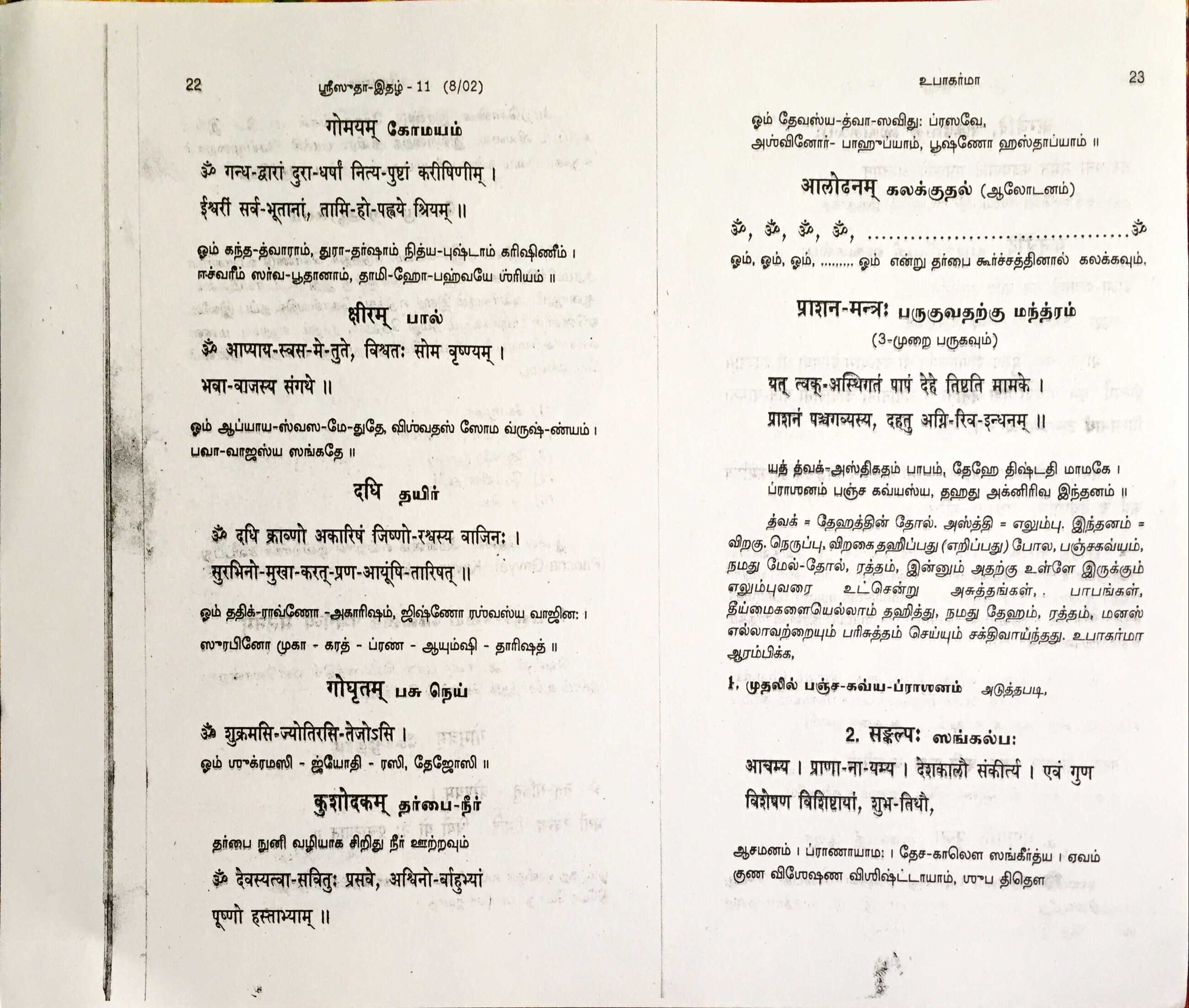
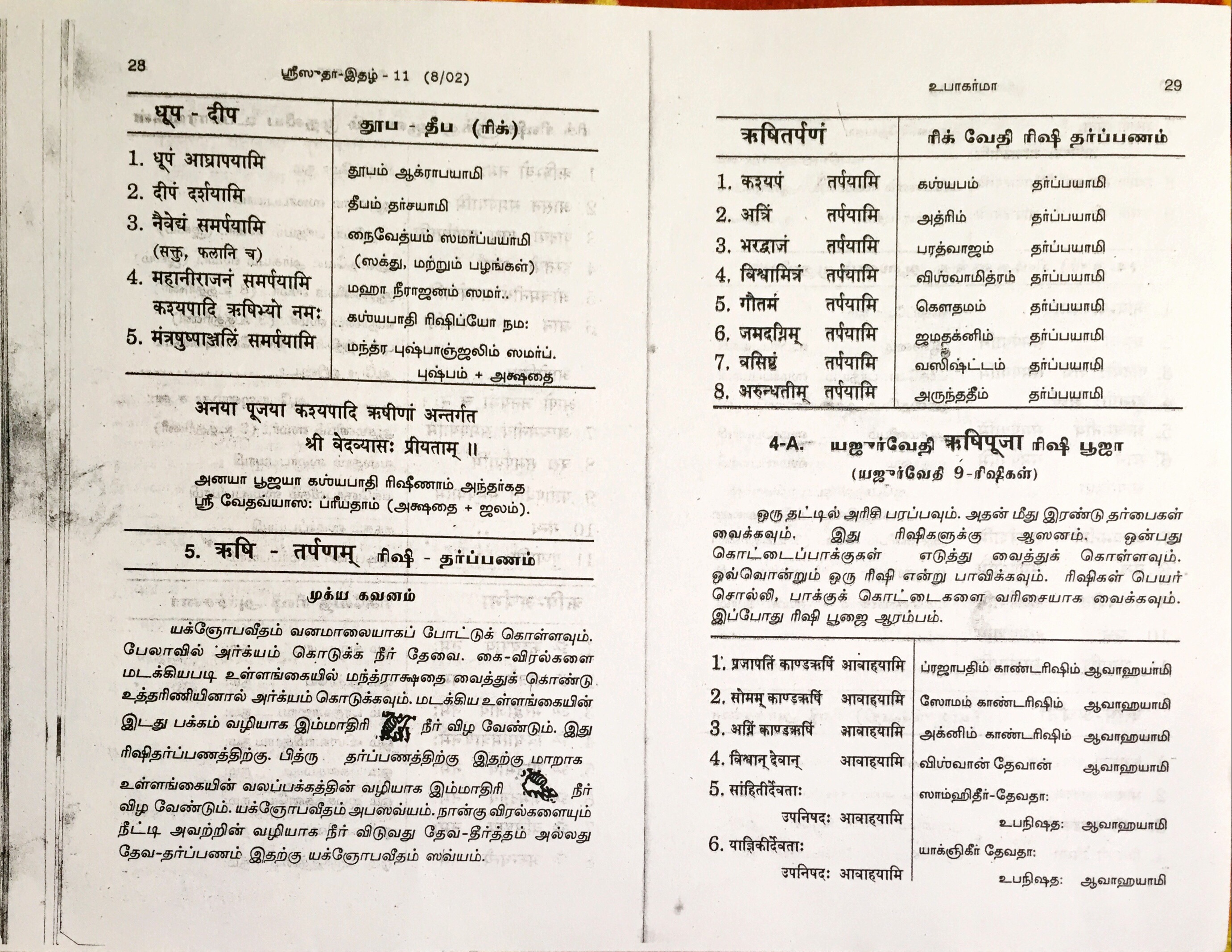
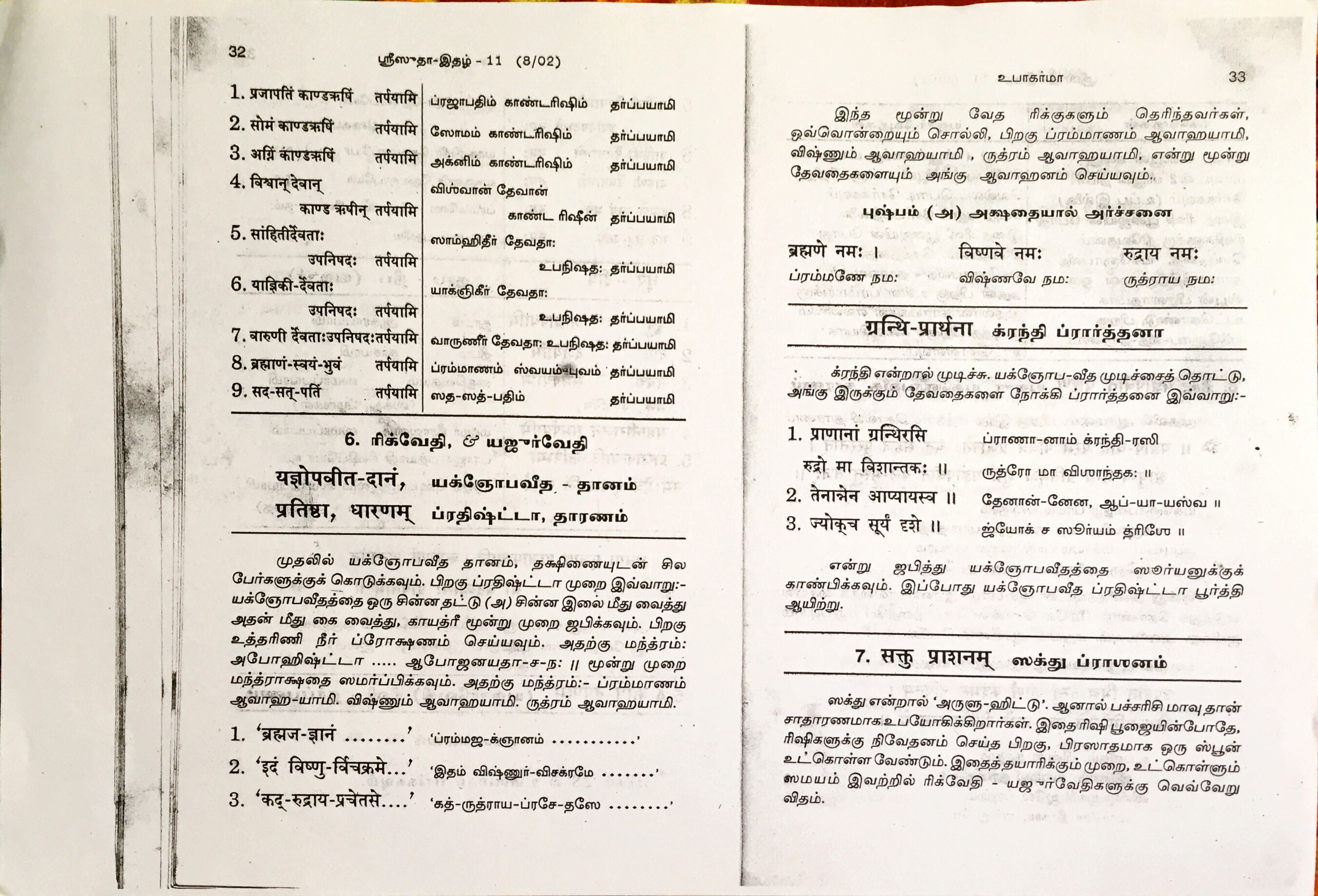
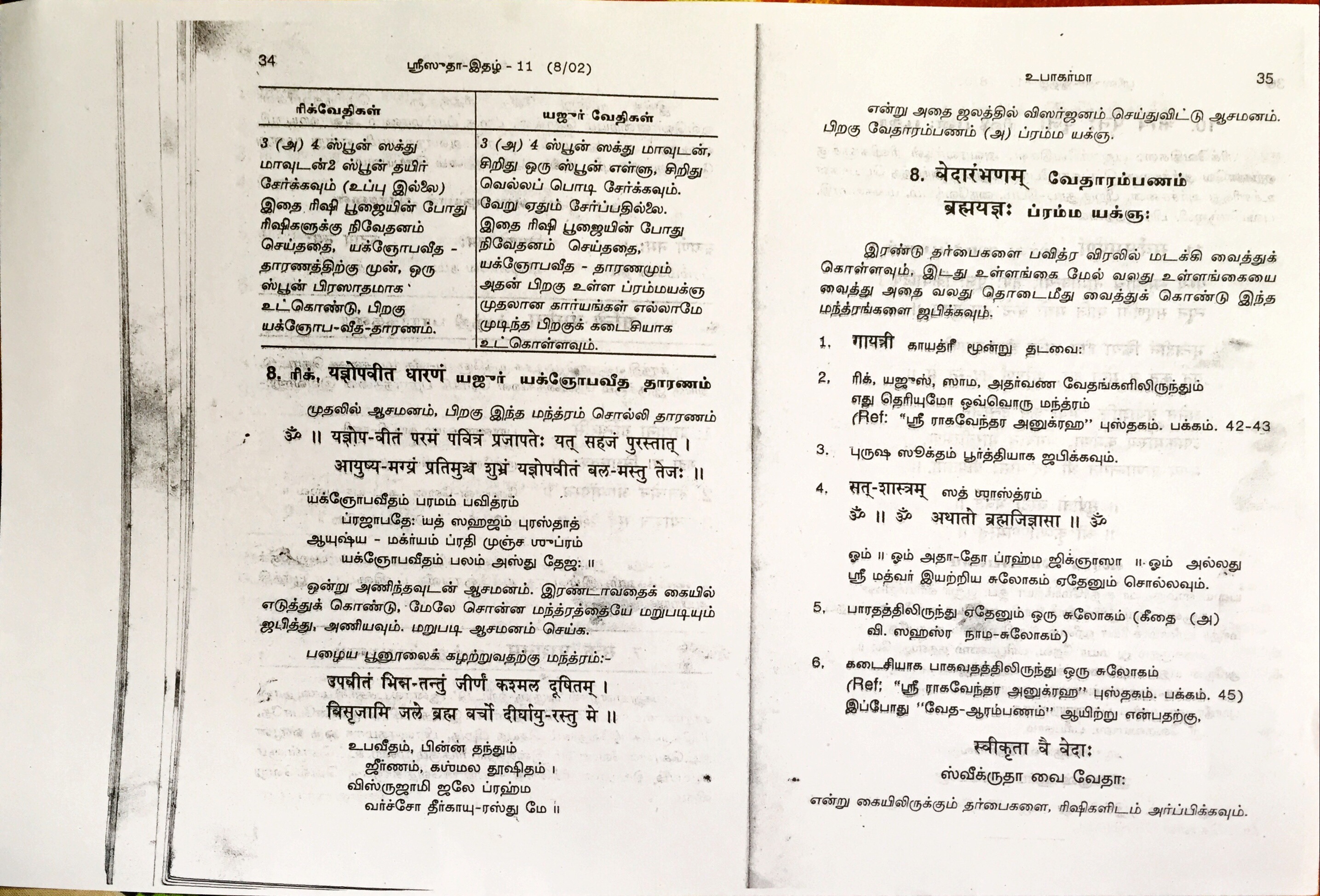
Upakarma(in tamil)

There are certain situations where you really cant find a temple or purohit to perform upakarma. here i have uploaded document from shri sudha magazine’s simple upakarma procedure at home. Please find the procedure for rig veda upakarma as well as yajur veda upakarma in tamil

However it is not recommended to perform upakarma every year at home. Whenever possible follow proper procedure and do it with the help of achars.

Upakarma means beginning. And it is considered as the auspicious day for beginning the vedic studies.

Rig veda Upakarma is observed on the day in/on sukla paksha Shravan month which has Shravana nakshatra

Yajur veda upakarma is observed on sravaana maasa hunnime(pournami/full moon day)

Document source: sri sudha tamil magazine


Please follow the links from sumadhwaseva:

Upakarma procedure in kannada
upakarma procedure in english

FESTIVALS · MADHWA · Mahalakshmi · rangoli · sravaana maasa · Varalakshmi · varalakshmi pooja

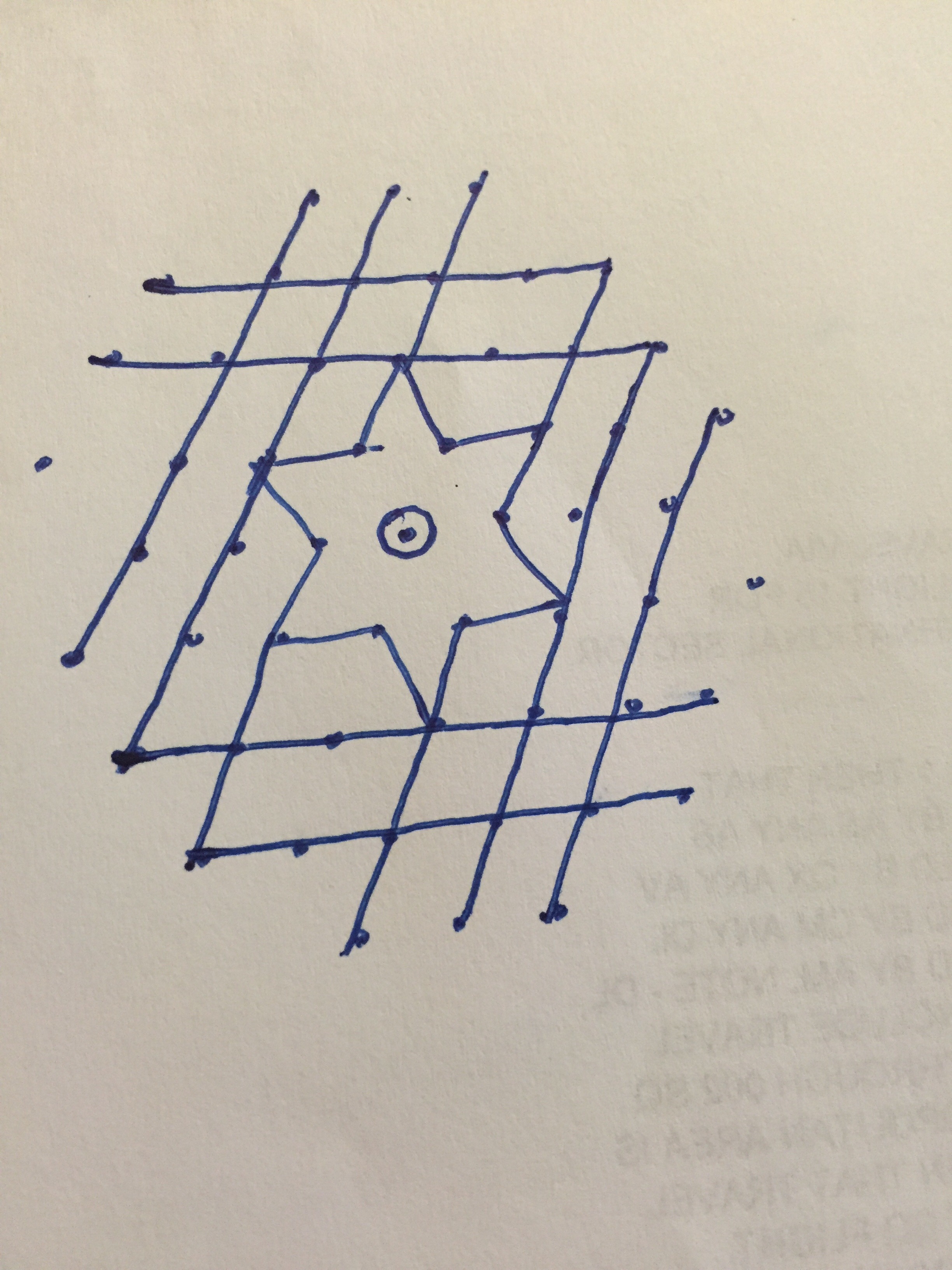
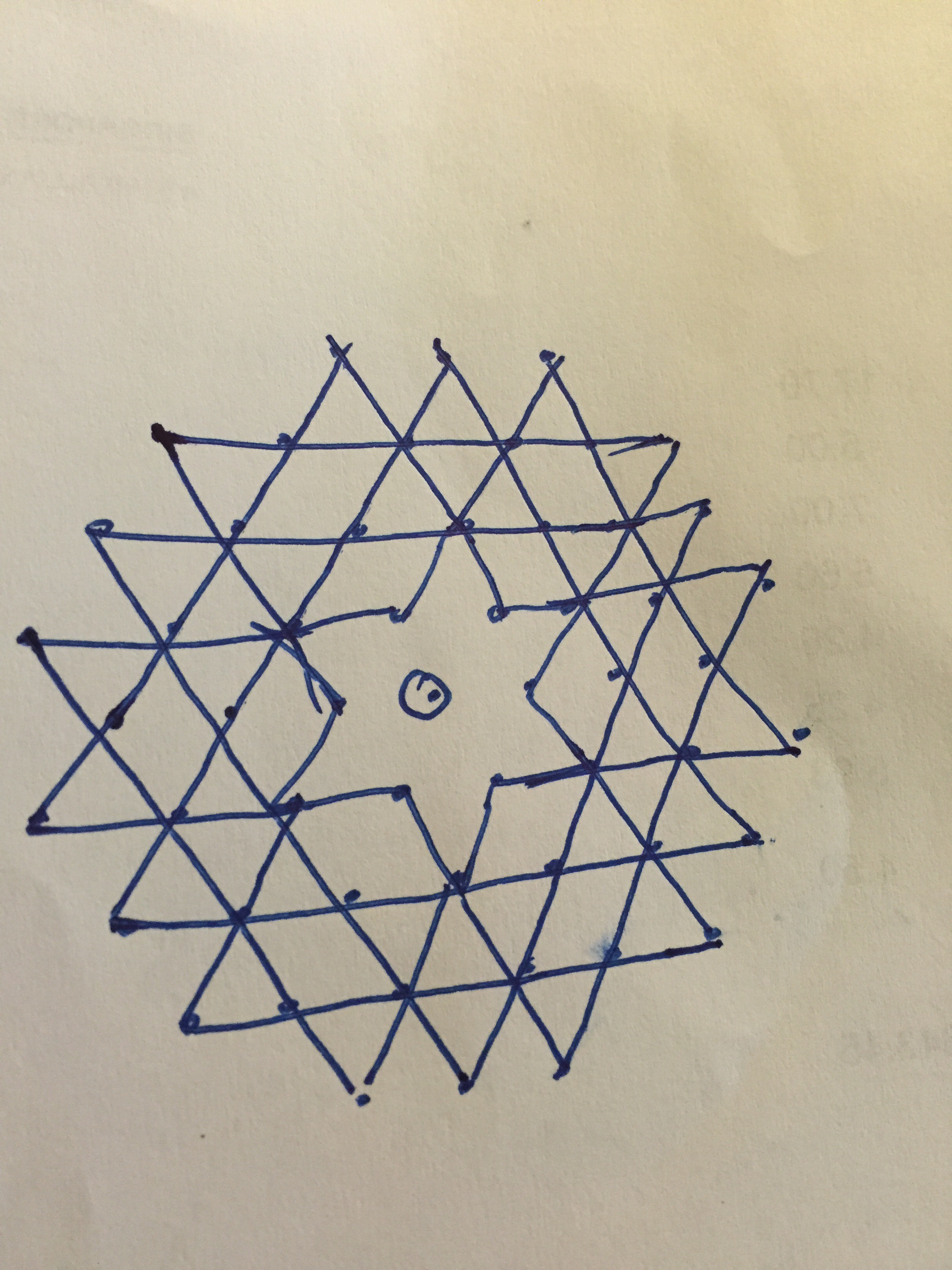
Lakshmi Hrudayam rangoli

Hridaya kamalam is a lotus obtained by joining 16 petals.It is drawn to ensure success & wealth. Hirudaya Kamalam is the auspicious Rangoli which is drawn in front of Pooja Mantap/Room mostly for Friday’s Maha Lakshmi Pooja.

img_8063
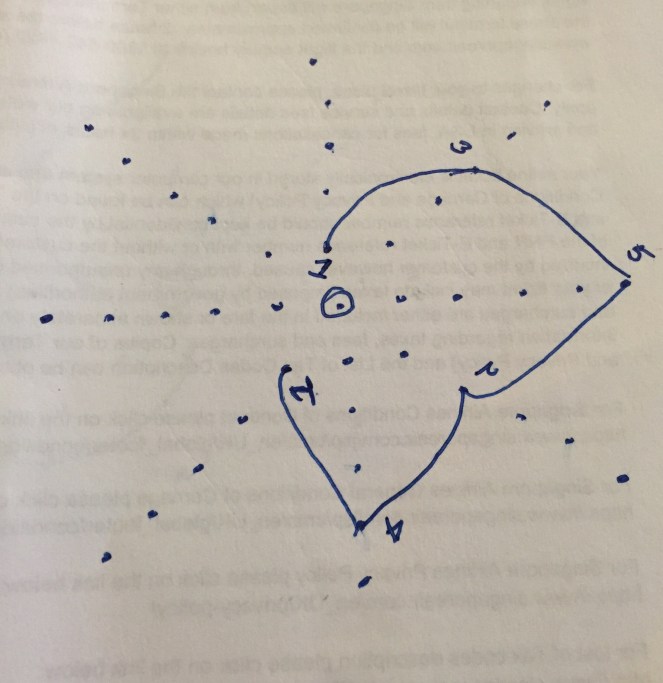
place 3 x 3 dots and extend 4 dots on all sides
img_8067
connect the dots in the following fashion 1 – 3 – 5  – 2 – 4 – 1

Follow the same pattern for filling remaining dots

img_8062

FESTIVALS · MADHWA · Mangala gowri · Sravana maasa

Mangala Gowri Pooja

click the link :Mangala gowri Haadu

who has to perform this pooja?

Married ladies should perform this pooja for the welfare of their husband. This pooja has to be performed for 5 years. This pooja is also performed by Unmarried ladies for getting good characteristic husband in this birth.

When to perform this pooja?

This pooja has to be started on tuesday following the deepa sthamba pooja on sravaana maasa. This pooja has to be taken on all tuesdays(4 to 5) on sravaana maasa. Even if the last Tuesday falls on Amavasya, this pooja must be taken. if the last tuesday falls on amavasya day, instead of oil bath take hair bath with ghee mixed with milk as sashthra. The same has to be followed for Ekadaashi or Gokulashtami on tuesdays.

How to prepare Gowri?

img_4423img_4425

Make 5 gowris out of turmeric powder in the way we usually do ganesha for pooja


Steps

  1. clean the mane and keep it ready. Spread a blouse on top of it
  2. Place a big mirror on it. Instead you can also place photo of Parvathy Parameshhwar with Ganapathy and subramanya.
  3. Fold Blouse bits in triangle form and place on both ends of mane. Keep coconut with soaked chana on both ends
  4. on a small plate, spread rice. on top of it place gowris in a way(two on the front, two behind and one in the center). Keep the mangala gowri given on your wedding on the front side of small plate
  5. spread all mangala dravyas, comb, bangles, small mirror, bicholai, kajal(two sets) in front of the blouses placed on both ends.
  6. prepare and keep rava laddus(5 no’s) on both ends.
  7. Tie a mangalya connecting all the five gowris
  8. place a thread soaked with turmeric water with five knots around the gowris
  9. prepare Huggi made with toor dal, akki payasa for neivedhya
  10. other neivadyams include chiguli, kosambari, soaked chickpea, fruits, coconut

pooja Vidhana

Perform Tulasi pooja before starting gowri pooja

Pray Goddess Dhakshayani for blessings and invite goddess to come and grace the pooja at the beginning

Baare dhakshayani Thoruva hasage eega
neeraja mukiyara Vaara madhyadhi bega

Haranarasige Maarjana-gaisi hara-dhetha
harushadhi peethambara udusidhalu
sarasijakshi aralina aabarana nittu
jaradhari kubusavana thodisidhalu||

Gandha kumkuma magarandha pushpakalindha
sandhadhi poojeya maadidhalu
higgi thantha heralu mallige aralu
jagava mohisuvalu emmanu Rakshisuvalu||

modhadhi pancha pakshanaadhi galindha
aadharisi neivedhya vanittalu
dharishida thaambula berisi karpura thadike
harana raanige harushadhi arathi etthe||

harushadhi varagala bedidhalu
Bhagya sampatthu seegradhallidhu
anugraha maadi eevathu
varagala needi parama harushadhi dhaya maade||

Thembittu deepa

Prepare thembittu with rice flour, jaggery, ghee and little water. make lamps out of this and prepare kajal from these dembittu deepas

img_4429

Kajal
using chattuva(dosa karandi) or small plate, collect kajal from dembittu deepas

  • Read the story of Mangala gowri katha while collecting kajal and do singing of gowri songs
  • once kajal is collected, using a petal take small amount of kajal and offer it to Maa Gowri

Then perform arathi with dembittu deepa

you can also perform punar pooja immediately

After this, Ladies who did pooja  must apply the kajal without fail

Invite ladies in the evening and distribute beetal leaves, beetal nuts, coconut, soaked chickpeas, kajals and dakshina

Perform the pooja for all the tuesdays of sravana maasa and on the final week tie the threas on your right hand.

If any of these Tuesday falls on ekadashi or gokulashtami, no neivedhyam or kajal preparation. Just perform the pooja. Next day prepare neivadhyam and complete the procedure.

Story

Once Dharma Raja asks Lord Krishna to narrate a Vratha that will increase the the life Span. Lord Krishna replies

‘Listen to me Yamanandana I will narrate a unique vrata which not only increases the life span of Sons, but also removes the Vaidavyya – Widowhood of a daughter. Listen to me with single minded devotion. In the olden times there was a city named Kundanipura, there lived a very good and famous merchant called Dharmapala. He was very rich. However his only problem was he had no children.


A Sadhu used to come to their house for Bikhsha, and he would go back without taking anything from them. This was a daily routine. The merchant’s wife was very sad about this attitude of the Sadhu and seeks a solution from her husband. The merchant tells his wife not to worry, and instructs her to keep gold coins ready the next day and put it into the Sadhu’s hand before he left. The wife does the same the next day. The Sadhu becomes very angry; he tells her that he was not receiving anything from their house as they had no children and today by putting the Bhiksha forcibly, she had cheated him. So he curses her by saying “let you not have children”. The merchant’s wife says that she did it because of her Aviveka and begs him to give her relief from the curse. The Sadhu takes. pity on her and tells her to ask her husband to wear black clothes, and go to the forest on a black horse until the horse slips, the place where the horse slips needs to be dug until he finds the temple of Devi, perform pooja to the Devi and she will solve their problem. As per the instructions of the Sadhu the merchant goes to the forest wearing black clothes riding a black horse. The forest was very thick and fearful and full of wild animals. He goes on until he finds a lovely pond full of lotus flowers. He refreshes himself and his horse and goes on, until the horse slips. The merchant starts digging the place until he finds the temple of a Devi. The temple was surrounded with lovely flowering and fruit bearing trees. The walls of the temple were of Gold and precious gems. He enters the temple with devotion and performs Pooja to the Goddess. The Devi is pleased for having received such a wonderful Pooja in the forest, appears before him and tells him to ask for a boon. He tells the Devi that he is very sad as he had no children.

The Devi tells him that he is destined not to have children, hence she asks him to choose between a daughter who becomes a widow soon, a wonderful son with a short life or a blind son with a long life. The merchant chooses a wonderful son with a short life. The Devi Instructs him to pick a mango fruit by climbing on the Ganapathy in front of the temple and give it to his wife, and their desires will be fulfilled. The merchant becomes very happy and goes to the tree and plucks one fruit, he sees a lot of fruits on the tree and plucks more, when he comes down he has only one fruit, not satisfied he climbs again and plucks more fruits and the result is the same everytime. During all his attempts he was climbing on the Lord Ganeshas Idol to pluck the fruits. Lord Ganesha becomes angry at the greed of the merchant and curses him that his son will die at the age of 16, by snake bite. The sad merchant returns home and gives the fruit to his wife. They get a beautiful son. They name him “Shiva,” perform his upanayana at the age of 8 and when he is 10 years old the wife asks the merchant to get his son married. The merchant tells her that he has decided to send his son on Kashi Yatra and after he returns they can arrange for his marriage. They send their son along with his uncle for the Yatra. Both the boy and his uncle on their way to Kashi reach a city called Pratishtanagara. In a garden they see a few young ladies fighting, a girl curses another young girl called Susheela as being unfortunate and to become a widow soon. Susheela who is very pretty and shining like gold, is unperturbed she replies ” Your curse will have no effect on me, as my mother performs a Pooja called “Sri Mangala Gowri Vratha”, The Pooja is so powerful that even in the surroundings where the Pooja is performed , no ladies will be widowed. The Uncle of the boy Shiva who was watching this feels that, if the mother of Susheela blesses Shiva, possibly he may not die young. So they follow the girl and start living in the temple near the girl’s house. Susheela’s father by name Hari was very devoted to the Deity of the temple and he never used to take any step in his life without the permission of the God. He decides to get his daughter married, so he goes with his wife to the temple to ask permission from the Deity. They request Lord Shiva of the temple not getting any answer, they approach the Goddess of the temple. The uncle of Shiva who was very clever, makes use of the opportunity, hides behind the idol of the Devi and tells Susheela’s parents to get their.daughter married to a man called Shiva who is a stranger to the city. Next day the uncle of Shiva approaches Susheela’s parents and tells them that he has come with a boy called Shiva and is looking out for a suitable bride, and asks them for the hand of Susheela for Shiva. The parents of Susheela readily agree. On the night of their marriage, when they were asleep Sree Mangala Gowri appears in Susheela’s dream as her mother and tells her that a big snake is coming to bite her husband and asks her to wake up give the snake milk, keep a pot so that the snake enters into the pot and close the pot with a cloth. Susheela wakes up and sees a very big snake approaching her husband fast, she gives milk to the Snake and keeps a pot The snake• gets into the pot and she ties it with a doth. After that Shiva wakes up and tells her that he is hungry. She gets sweets for him to eat. He eats the sweets, washes his hands and keeps his ring in the vessel and goes to sleep. Next day morning he leaves the house. In the morning Susheela wakes up and takes the blessings of her mother. Now as the bridegroom had gone Lord Shiva himself appears in the guise of Susheela’s husband. Susheela tells her mother that this is not her husband, listening to which the Lord Shiva in the guise of groom disappears. Everyone was worried and start looking out for Shiva. They do Annadhana to get back the groom. They set up an Annachatra, Susheela used to wash the feet of people keeping her husband’s ring and her mother used to pour water. Hari her father and brothers used to serve them with food and look after their comforts, this went on for some tlme. Meanwhile Shiva and his Uncle went to City of Kashi, did a lot of Dhana and Dharma. Shiva completes 16 years and dreams that he is being taken away by Yamadhutas, and Lord Shiva came and saved him. The Uncle of Shiva becomes very happy that they got rid of a big problem. They hear from people the fame of the Annadhana being performed by Susheela’s parents and the praise of the qualities of Susheela. When they go there, Susheela washes the feet of her husband and recognizes him. The parents of Susheela were very happy and give the son-in-law all respect and a lot of wealth. Meanwhile the parents of Shiva were very worried about the whereabouts of their Son who would die soon due to the short life span. Some messengers tell them all the news about Shiva, his marriage with Susheela and their well being. They were very happy and receive Shiva and Susheela with all pomp. They hear from their daughter-in-law the way to perform the “Sri Mangala Gowri Vratha” and get her to perform the Vratha.

This Vratha needs to be performed on Tuesdays, during Sravana Masa. The people performing the vratha need to fast. The Pooja of the Devi needs to be performed with Sraddha and Bhakti.

Om Sri Mangala Gowryay Namaha.