Sthothragalu
- Ganesha Shodasa Nama stotram
- Ganesha dwadasa nama sthothram
Ashtothram
- Ganesha ashtothra satha namavali
- Sri ganesha/vigneshwara shodasa namavali
Dasara padagalu
- Dasara padagalu on Ganapathi
- Vigneshwara sthothra sandhi – Hari kathamruta saara
Sloka for kids:
- Ganesh slokas
click the link: Vigneshwara kathe
Ganesha rangoli
Ganesh Chaturthi or Vinayaka Chaturthi is one of the most colorful and widely celebrated festivals in India.
Ganapathi is in the 18th Kakshya alongwith Vishwaksena, Sheshashatastaru, Kubera, and Ashwini Devategalu.
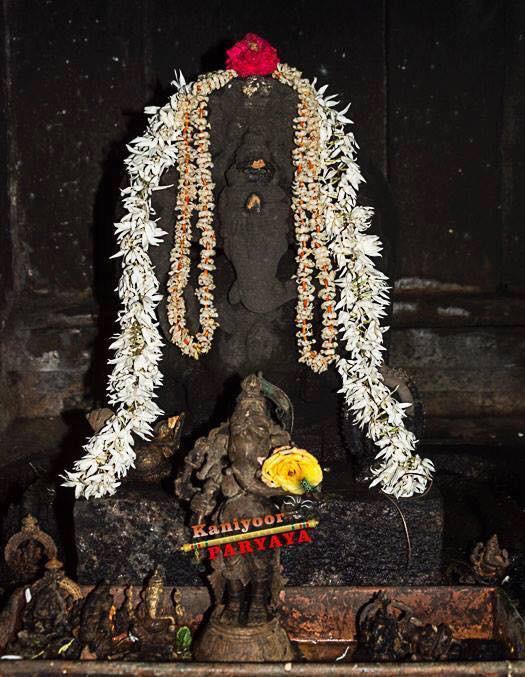
Ganesha is the son of Parvathi – Parameshwara. Vinayaka is the abhimani devata for akaasa (space or sky) – bhootakaasha. He has Mooshika as his vaahana, he has modaka in his hands, We have to worship Ganapathi as the Srihari’s parivara devate. We must never worship him as supreme
Acharya Madhwa in his Maandookopanishat Bhashya has written – Sri Ganesha is the aradhaka of Vishwa Taijasa roopa. Both are are Jaagrat and Svapnavaste niyamaka roopa. – i.e., Vishvambara roopa. It has 19 heads. The Central face is Gajamukha, whereas the other 18 faces are human and other faces. Ganesha was doing the chintana of “Vishvambara roopa” of Srihari. As such, he got the Gajamukha.
vinaya chathurthi is celebrated on bathrapada maasa sukla paksha chathuthi every year
Why we should not see chandra on Ganesh chathurthi?
once Ganapathy was sitting on his chariot rat (mooshika Vahana Ganapathy) after eating heavy food on Bhadrapada Shudda Chaturthi. The rat saw a snake passing nearby and the rat become unconscious on seeing the snake and fell down. Ganesha sitting on the rat fell down on the ground. The sweet balls which Ganesha had in his hand fell on the ground and Ganesha took it and put them again in his belly. Ganesha took the snake which was moving and tied to his belly as a belt. Seeing the mischievous actions of Ganesha, Chandra laughed in the sky. Ganesha felt it as disrespect to him by Chandra, and cursed him that “no one shall see Chandra in future”. With this Chandra repented and came down and did the prarthana to Ganesha for pardon.
Syamantaka upaakayana
It is said that anyone who looks at the moon on the night of the Ganesh Chaturthi will be falsely charged with theft or a similar crime. If someone inadvertently sees the moon on this night, he/she may remedy the situation by listening to (or reciting) the story of the syamantaka jewel.
This story may be found in the Puranas such as the Bhagavata and the Vishnu. Briefly, Satrajit, who secured a jewel syamantaka from Surya, did not part with it even when Krishna the Lord of Dvaraka, asked for it saying it would be safe with Him. Prasena, the brother of Satrajit went out hunting wearing the jewel but was killed by a lion. Jambavan of Ramayana fame killed the lion and gave it to his son to play with. When Prasena did not return, Satrajit falsely accused Krishna of killing Prasena for the sake of the jewel. Krishna, in order to remove the stain on His reputation, set out in search of the jewel and found it in Jambavan’s cave, with his child. Jambavan attacked Krishna thinking Him to be an intruder who had come to take away the jewel. They fought each other for 28 days, when Jambavan, his whole body terribly weakened from the hammering of Krishna’s fists, finally recognized Him as Rama.
Jane tvam sarvabhutanam prana ojah saho balam |
Vishhnum puranapurushham prabhavishhnumadhishvaram ||
I now know You. You are the life in all creatures, virility, grit and strength. You are Vishnu, the Primeval Lord, All-prevailing, the Supreme Lord (of the worlds). (Bhagavata 10.56.26) and,
Setuh kr^itah svayasha ujjvalita cha lanka
Rakshhah shiramsi bhuvi peturishhukshhatani ||
He Who built a bridge (across the ocean) that is a standing monument to His fame, set Lanka ablaze, and with His arrows severed the heads of Rakshasas, which fell to the ground.
As repentance for his having fought Krishna, Jambavan gave Krishna the jewel and also his daughter Jambavati in marriage. Krishna returned to Dvaraka with Jambavati and the jewel, and returned it Satrajit, who in turn repented for his false accusation. He promptly offered to give Krishna the jewel and his daughter Satyabhama in marriage. Krishna accepted Satyabhama as His wife but did not accept the jewel.
Due to the false accusations on krishna, It is believed that Krishna did Ganapathy pooja to solve all false alegations against him
In the event that one is not even able to listen to or read the story, the following mantra may be recited holding some water in the palm of the right hand. Then consume the water.
ಸಿಂಹ: ಪ್ರಸೇನಮವಧೀತ್ ಸಿಂಹೋ ಜಾಂಬವತಾ ಹತ: |
ಸುಕುಮಾರಕ ಮಾರೋದಿ: ತವಹ್ಯೇಷ ಸ್ಯಮಂತಕ: ||
Simhah prasenamavadhit.h simho jambavata hatah |
Sukumaraka ma rodih tava hyeshha syamantakah ||
A lion killed Prasena; the lion was killed by Jambavan. Don’t cry, O dear child! This syamantaka jewel is yours.
The above sloka can be recited for solving misunderstandings / negative interpretation with you
Recite the sloka on chathurdashi day if happened to see chandra in the evening
Why 21 is significant in GAnesha habba?
Patra and Modhakam 21 no’s:
The five jnanendriyas or organs of perception , the five karmendriyas or organs of action, the five pranas or vital airs, the five bhutas or elements, and the mind, together comprise 21 numbers.
Procedure
Draw rangolis on the mane
Decorate the pooja mantap and do mango leaves thorana. Place the ganesha(clay) in the center.
Do Pooja sankalpa as usual and perform shodosha upachara Pooja as follows:
Avahanam
Puja should begin with invocation of Lord Ganesha, one should chant following Mantra in front of the Murti, by showing Avahan Mudra (Avahan Mudra is formed by joining both palms and folding both thumbs inwards).
He Heramba Tvamhuehyehi Hyambikatryambakatmaja।
Siddhi-Buddhi Pate Tryaksha Lakshalabha Pituh Pitah॥
Nagasyam Nagaharam Tvam Ganarajam Chaturbhujam।
Bhushitam Svayudhaudavyaih Pashankushaparashvadhaih॥
Avahayami Pujartham Rakshartham Cha Mam Kritoh।
Ihagatya Grihana Tvam Pujam Yagam Cha Raksha Me॥
Om Siddhi-Buddhi Sahitaya Shri Mahaganadhipataye Namah।
Avahayami-Sthapayami॥
Pratishthapanam
After Lord Ganesha has been invoked, installing Lord Ganesha into the statue while chanting following Mantra.
Asyai Pranah Pratishthantu Asyai Pranaksharantu Cha।
Asyai Devatvamarchayai Mamaheti Cha Kashchana॥
Om Siddhi-Buddhi Sahitaya Shri Mahaganadhipataye Namah।
Supratishtho Varado Bhava॥
Asanam
After Lord Ganesha has been invoked and got installed, take five flowers in Anjali (by joining palm of both hands) and leave them in front of the Murti to offer seat to Shri Ganesha while chanting following Mantra.
Vichitraratnakhachitam Divyastaranasamyutam।
Swarna Simhasanam Charu Grihana Guhagraja॥
Om Siddhi-Buddhi Sahitaya Shri Mahaganadhipataye Namah।
Asanam Samarpayami॥
Padyam
After offering Asana to Lord Ganesha, offer Him water to wash the feet while chanting following Mantra.
Om Sarvatirthasamudbhutam Padyam Gandhadibhiryutam।
Gajanana Grihanedam Bhagawana Bhaktavatsalah॥
Om Siddhi-Buddhi Sahitaya Shri Mahaganadhipataye Namah।
Padayoh Padyam Samarpayami॥
Arghyam
After offering Padya to Lord Ganesha, offer scented water to Lord Ganesha while chanting following Mantra.
Om Ganadhyaksha Namasteastu Grihana Karuna Kara।
Arghyam Cha Phala Samyuktam Gandhamalyakshatairyutam॥
Om Siddhi-Buddhi Sahitaya Shri Mahaganadhipataye Namah।
Hastorarghyam Samarpayami॥
Achamanam
After Arghya offering, offer water to Lord Ganesha for Achamana while chanting following Mantra.
Vighnaraja Namastubhyam Tridashairabhivandita।
Gangodakena Devesha Kurushwachamanam Prabho॥
Om Siddhi-Buddhi Sahitaya Shri Mahaganadhipataye Namah।
Mukhe Achamaniyam Samarpayami॥
Snanam
After Achamana, offer water to Shri Ganesha for the bath while chanting following Mantra.
Narmada Chandrabhagadi Gangasangasajairjalaih।
Snani Tosi Maya Deva Vighnasagham Nivaraya॥
Om Siddhi-Buddhi Sahitaya Shri Mahaganadhipataye Namah।
Sarvanga Snanam Samarpayami॥
Panchamrita Snanam
After Snanam, now give a bath with Panchamrita (the mixture of milk, curd, honey, Ghee and sugar) to Shri Ganesha while chanting following Mantra.
Panchamritam Mayaaanitam Payodadhi, Ghritam Madhu।
Sharkara Cha Samayuktam Snanartham Pratigrihyatam॥
give a bath with pure water (Gangajal) to Shri Ganesha while chanting following Mantra.
Ganga Cha Yamuna Chaiva Godavari Saraswati।
Narmada Sindhuh Kaveri Snanartham Pratigrihyatam॥
Vastram
Now offer new clothes to Lord Ganesha while chanting following Mantra.
Shitavatoshna Santranam Lajjaya Rakshanam Parama।
Dehalankaranam Vastramatah Shanti Prayachchha Me॥
Om Siddhi-Buddhi Sahitaya Shri Mahaganadhipataye Namah।
Vastram Samarpayami॥
Yajnopavitam
After Vastra offering, offer Yajnopavita to Lord Ganesha while chanting following Mantra.
Navabhistantubhiryuktam Trigunam Devatamayam।
Upavitam Mayadattam Grihana Parameshwara॥
Om Siddhi-Buddhi Sahitaya Shri Mahaganadhipataye Namah।
Yajnopavitam Samarpayami॥
Gandham
After Yajnopavita offering, offer scent to Lord Ganesha while chanting following Mantra.
Shri Khanda Chandana Divyam Gandhadhyam Sumanoharam।
Vilepanam Surashreshtha Chandanam Pratigrihyatam॥
Om Siddhi-Buddhi Sahitaya Shri Mahaganadhipataye Namah।
Gandham Samarpayami॥
Akshatam
After Gandha offering, offer Akshata (unbroken rice) to Lord Ganesha while chanting following Mantra.
Akshatashcha Sura Shreshtha Kumkumalah Sushobhitah।
Maya Nivedita Bhaktaya Grihana Parameshwara॥
Om Siddhi-Buddhi Sahitaya Shri Mahaganadhipataye Namah।
Akshatan Samarpayami॥
Pushpam
Now offer garland made of flowers to Lord Ganesha while chanting following Mantra.
Malyadini Sugandhini Malyadinivai Prabhuh।
Maya Hritani Pushpani Grihyantam Pujanaya Bhoh॥
Om Siddhi-Buddhi Sahitaya Shri Mahaganadhipataye Namah।
Pushpamalam Samarpayami॥
Dhoopam
Now offer Dhoop to Lord Ganesha while chanting following Mantra.
Vanaspatirasodbhuto Gandhadhyo Gandhah Uttamah।
Aghreya Sarva Devanam Dhupoayam Pratigrihyatam॥
Om Siddhi-Buddhi Sahitaya Shri Mahaganadhipataye Namah।
Dhupamaghrapayami॥
Deepam
Now offer Deep to Lord Ganesha while chanting following Mantra.
Sajyam Chavartisamyuktam Vahnina Yojitam Maya।
Deepam Grihana Devesha Trailokyatimira Paham॥
Bhaktya Deepam Prayachchhami Devaya Paramatmane।
Trahimam Nirayad Ghoraddipajyotirnamoastute॥
Om Siddhi-Buddhi Sahitaya Shri Mahaganadhipataye Namah।
Deepam Darshayami॥
Naivedyam
Now offer Naivedya to Lord Ganesha while chanting following Mantra.
Naivedyam Grihyatam Deva Bhakti Me Hyachalam Kuru।
Ipsitam Me Varam Dehi Paratra Cha Param Gatim॥
Sharkara Khanda Khadyani Dadhi Kshira Ghritani Cha।
Aharam Bhakshya Bhojyam Cha Naivedyam Pratigrihyatam॥
Om Siddhi-Buddhi Sahitaya Shri Mahaganadhipataye Namah।
Naivedyam Modakamayarituphalani Cha Samarpayami॥
Tambulam
Now offer Tambula (Paan with betel nuts) to Lord Ganesha while chanting following Mantra.
Om Pugiphalam Mahadivyam Nagavallidalairyutam।
Ela Churnadisamyuktam Tambulam Pratigrihyatam॥
Om Siddhi-Buddhi Sahitaya Shri Mahaganadhipataye Namah।
Mukha Vasarthamela Pugi Phaladi Sahitam Tambula Samarpayami॥
Aarti
After Tambula Arpanam and Dakshina Samarpanam, perform Lord Ganesha Aarti after chanting following Mantra.
Kadali Garbha Sambhutam Karpuram Tu Pradipitam।
Arartikamaham Kurve Pashya Me Varado Bhava॥
Om Siddhi-Buddhi Sahitaya Shri Mahaganadhipataye Namah।
Karpura Neerajanam Samarpayami॥
Pushpanjali Arpanam
Now offer Pushpanjali to Lord Ganesha while chanting following Mantra.
Nanasugandhi Pushpani Yatha Kalodbhavani Cha।
Pushpanjalirmaya Datto Grihana Parameshwara॥
Om Siddhi-Buddhi Sahitaya Shri Mahaganadhipataye Namah।
Mantra Pushpanjali Samarpayami॥
Pradakshinam
Now offer symbolic Pradakshina (circumambulate from left to right of Shri Ganesha) with flowers while chanting following Mantra.
Yani Kani Cha Papani Jnatajnata Kritani Cha।
Tani Sarvani Nashyanti Pradakshina Pade Pade॥
Om Siddhi-Buddhi Sahitaya Shri Mahaganadhipataye Namah।
Pradakshinam Samarpayami॥
Anga puja:
- Om Ganeshwaraya Namah, Paadou Poojayaami
- Om Vighnarajaya Namah, Jaanuni Poojayaami
- Om Akhuvahanaya Namah, Oorooh Poojayaami
- Om Herambaya Namah, Kati Poojayaami
- Om Kaamari Sunve Namah, Naabhim Poojayami
- Om Lambodaraya Namah, Udaram Poojayaami
- Om Gaurisutaya Namah, Stanau Poojayaami
- Om Gananathaya Namah, Hrudayam Poojayaami
- Om Sthula Kanthaya Namah, Kantham Poojayaami
- Om Pasha-hastaya Namah, Skandhau Poojayaami
- Om Gajavaktraya Namah, Hastaan Poojayaami
- Om Skandagrajaya Namah, Vaktram Poojayaami
- Om Vighnarajaya Namah, Lalaatam Poojayaami
- Om Sarveshvaraya Namah, Shirah Poojayaami
- Om Ganadhipataya Namah, Sarvaangaani Poojayaami
Eka vimsathi patra puja:
- Om Sumukhaya Namah – Shami Patram Samarpayami।
- Om Ganadhishaya Namah – Bhringraj Patram Samarpayami।
- Om Umaputraya Namah – Bilva Patram Samarpayami।
- Om Gajamukhaya Namah – Durvaa Patram Samarpayami।
- Om Lambodaraya Namah – Badari (Ber) Patram Samarpayami।
- Om Harasunavey Namah – Datura Patram Samarpayami।
- Om Shurpakarnaya Namah – Tulasi Patram Samarpayami।
- Om Vakratundaya Namah – Sem Patram Samarpayami।
- Om Guhaagrajaya Namah – Apamarga Patram Samarpayami।
- Om Ekadantaya Namah – Bhatakataiya Patram Samarpayami।
- Om Herambaya Namah – Sindoor Patram Samarpayami।
- Om Chaturhotrai Namah – Tej Patram Samarpayami।
- Om Sarveshvaraya Namah – Agastya Patram Samarpayami।
- Om Vikataya Namah – Kaner Patram Samarpayami।
- Om Hematundaya Namah – Kadali (Kela) Patram Samarpayami।
- Om Vinayakaya Namah – Arka Patram Samarpayami।
- Om Kapilaya Namah – Arjuna Patram Samarpayami।
- Om Vatave Namah – Devadaaru Patram Samarpayami।
- Om Bhal Chandraya Namah – Marua Patram Samarpayami।
- Om Suraagrajaya Namah – Gandhari (Gandari) Patram Samarpayami।
- Om Siddhi Vinayakaya Namah – Ketaki Patram Samarpayami।
Neivedhyam:
21 Modhakams and fruits
Ganapathy visarjana:
Although the day of Anant Chaturdashi is the most significant day to perform Ganesha Visarjan, many families do it on the 3rd or 5th or 7th day from the day of Ganesha Chaturthi. It is important to note that all these days are in odd numbers. Even the most important day of Ganesha Visarjan, which falls on Anant Chaturdashi day, is the 11th day from the day of Ganesha Chaturthi.
On the visarjana day the statue of Lord Ganesha is immersed into water body, preferably in a river, lake or the sea. Those who could not do in river or lake, can do in home in a bucket
Other useful links:
Ganesha ashtothra satha namavali
Dasara padagalu on Ganapathi
Ganesha shodasa nama stotram



 Madhwa