dasara padagalu · MADHWA · raghavendra

Ragavendra tirthanita

ರಾಘವೇಂದ್ರ ತೀರ್ಥನೀತ ರಾಜಿಸುವಾತ                  || ಪ ||
ಪಾಪೌಘಗಳೆಲ್ಲವ ನೋಡಿಸಿ ಪುಣ್ಯಗಳೀವಾತಾ            || ಅ ||

ಬಣ್ಣ ಬಣ್ಣದಿಂದ ಬಹಳ ಬೋಧಿಸುವಾತ – ಬಹಳ
ಸಣ್ಣ ದೊಡ್ಡಭೀಷ್ಟಗಳ ಸಾಧಿಸುವಾತಾ
ಪುಣ್ಯವಂತರಿಂದ ಬಹು ಪೂಜೆಗೊಂಬಾತ – ನಮಗೆ
ಕಣ್ಣ ಹಬ್ಬವಾಗುವಂತೆ ಕಾಣಿಸುವಾತಾ                 || ೧ ||

ಕಾಮಕ್ರೋಧಾದಿಗಳನೆ ಕಾಲಲೊದ್ದಾತ – ಈತ
ವ್ಯೋಮಕೇಶನಂತೆ ನಾಲ್ಕು ವೇದ ಪ್ರಖ್ಯಾತಾ
ಭೂಮಿಯೊಳು ದುರ್ವಾದಿಗಳನೆ ಭೂರಿ ಗೆದ್ದಾತ – ಪ್ರೌಢ
ಶ್ರೀಮಧ್ವಯೋಗೀಂದ್ರತೀರ್ಥ ಶಿಷ್ಯನೆಂಬಾತಾ            || ೨ ||

ಸಿಧ್ಧವಿದ್ಯೆಗಳಲಿ ಬಹು ಪ್ರಸಿಧ್ಧನಾದಾತಾ – ನಮ್ಮ
ಮಧ್ವಶಾಸ್ತ್ರಗಳನೆ ಮಾಡಿಕೊಟ್ಟಾತ
ಮಧ್ವೇಶವಿಠ್ಠಲನ ಧ್ಯಾನದಲಿದ್ದಾತ – ತುಂಗ
ಭದ್ರತೀರದಲ್ಲಿ ತಾನು ವಾಸವಾದಾತ                || ೩ ||

Ragavendra tirthanita rajisuvata || pa ||
Papaugagalellava nodisi punyagalivata || a ||

Banna bannadinda bahala bodhisuvata – bahala
Sanna doddabishtagala sadhisuvata
Punyavamtarinda bahu pujegombata – namage
Kanna habbavaguvante kanisuvata || 1 ||

Kamakrodhadigalane kalaloddata – Ita
Vyomakesanante nalku veda prakyata
Bumiyolu durvadigalane buri geddata – praudha
Srimadhvayogindratirtha sishyanembata || 2 ||

Sidhdhavidyegalali bahu prasidhdhanadata – namma
Madhvasastragalane madikottata
Madhvesaviththalana dhyanadaliddata – tunga
Badratiradalli tanu vasavadata || 3 ||

dasara padagalu · MADHWA · raghavendra

Raghavendra guru rayara sevisiro

ರಾಘವೇಂದ್ರ ಗುರುರಾಯರ ಸೇವಿಸಿರೊ ಸೌಖ್ಯದಿ ಜೀವಿಸಿರೊ ||pa||

ವಾಸೋತ್ತುಂಗಾ ತೀರದಲ್ಲೆ ನಿಂತು ವಸುಧೆಯೊಳು ಬಂದು ||a.pa||

ಆ ಸುಧೀಂದ್ರ ಕರ ಸರೋಜ ಸಂಜಾತ ವಸುಧೆಯೊಳು ಪುನೀತಾ
ದಾಶರಥಿಯ ದಾಸತ್ವವ ತಾನೂಹಿಸಿ ದುರ್ಮತಿಗಳ ಜಯಿಸಿ ತ್ಯಜಿಸಿ
ಈ ಸಮೀರಮತ ಸಂಸ್ಥಾಪಕರಾಗಿ ನಿಂದಕರನು ನೀಗಿ ಭೂಸುರರಿಗೆ
ಸಂಸೇವಸಹಾಚರಣೀ ಕಂಗೊಳಿಸುವ ಕರುಣಿ ||1||

ಕುಂದದೆ ವರ ಮಂತ್ರಾಲಯದಲ್ಲಿರುವಾ ಕರೆದಲ್ಲಿಗೆ ಬರುವಾ
ಸಂದರುಶನದಿಂದಲಿ ಮಹತ್ಪಾಪ ಪರಿದೋಡಿಸಲಾಪಾ
ವೃಂದಾವನ ಮೃತ್ತಿಕೆ ಜಲಪಾನ ಮುಕ್ತಿಗೆ ಸೋಪಾನ
ಮಂದ ಭಾಗ್ಯರಿಗೆ ದೊರೆಯದಿವರ ಸೇವಾ ಶರಣರ ಸಂಜೀವಾ ||2||

ಶ್ರೀದವಿಠ್ಠಲನ ಸನ್ನಿಧಾನ ಪಾತ್ರಾ ಸಂಸ್ತುತಿಸಿದ ಮಾತ್ರಾ
ಮೋದಬಡಿಸುವ ತಾನಿಹಪರದಲ್ಲಿ ಈತಗೆ ಸಮರೆಲ್ಲಿ
ಮೇದಿನಿಯೊಳಗಿನ್ನರಸಲು ಕಾಣೆ ಪುಸಿಯಿಲ್ಲೆನ್ನಾಣೆ
ಪಾದಸ್ಮರಣೆ ಮಾಡದವನೆ ಪಾಪಿ ನಾ ಪೇಳ್ವೆನು||3||

Raghavendra guru rayara sevisiro
Saukhyadi jivisiro ||pa||

Tungatiradi raghuramana pujisiro
Narasinghana bhajakaro ||apa||

Shri sudhindra kara saroja sanjata jagadolage punita
Dasharathiya dashatvava ta vahisi durmatigala jayisi
I samira mata samsthapakaragi nindakaranu nigi
Bhusurarige samsevya sadacharani kangolisuva karuni ||1||

Kundada vara mantralayadalliruva karedallige baruva
Brundavanagata mruttike jalapana mukutige sopana
Sandarushanamatradali mahatapa badidodisalapa
Mandabhagyarige doreyadiruva seve sharanara sanjiva ||2||

Shrida vithalana sannidhana patra samstutisalu matra
Moda padisutiha tanihaparadalli itage sariyalli
Mediniyolaginnarasalu na kane pusiyallane
Padasmaraneya madadavane papi na peluve stapi ||3||

dasara padagalu · MADHWA · raghavendra

satata paliso enna yati ragavendra

ಸತತ ಪಾಲಿಸೊ ಎನ್ನ ಯತಿ  ರಾಘವೇಂದ್ರಾ |

ಪತಿತ ಪಾವನ ಪವನಸುತ ಮತಾಂಬುಧಿ ಚಂದ್ರಾ || ಅ.ಪ. ||

ಕ್ಷೋಣೀಯೊಳಗೆ ಕುಂಭಕೋಣ ಕ್ಷೇತ್ರದಿ ಮೆರೆದೆ |
ವೀಣಾವೆಂಕಟ ಅಭಿದಾನಾದಿಂದಾ |
ಸಾನುರಾಗದಿ ದ್ವಿಜನ ಪ್ರಾಣ ಉಳಿಸಿದ ಮಹಿಮೆ |
ಏನೆಂದು ಬಣ್ಣಿಸಲಿ ಜ್ಞಾನಿಗಳ ಕುಲತಿಲಕಾ | ೧ |

ನಂಬಿದೆನೋ ನಿನ್ನ ಪಾದಾಂಬುಜವ ಮನ್ಮನದಿ |
ಹಂಬಲ ಪೂರೈಸೋ ಬೆಂಬಿಡದಲೆ |
ಕುಂಭಿಣಿ ಸುರ ನಿಕುರುಂಬವಂದಿತ ಜಿತ |
ಶಂಭರಾಂತಕ ಶಾತ ಕುಂಭ ಕಶ್ಯಪ ತನಯಾ | ೨ |

ಮಂದಮತಿಗಳ ಸಂಗದಿಂದ ನಿನ್ನ ಪಾದ |
ಇಂದಿನತನಕ ನಾ ಪೊಂದಲಿಲ್ಲಾ |
ಕುಂದು ಎಣಿಸದೇ  ಕಾಯೋ ಕಂದರ್ಪ ಪಿತ |
ಶ್ಯಾಮ ಸುಂದರ ದಾಸ ಕರ್ಮಂದಿಗಳ ಕುಲವರ್ಯಾ | ೩ |

satata paliso enna yati ragavendra |

patita pavana pavanasuta matambudhi camdra | a.pa. |

kshoniyolage kumbakona kshetradi merede |
vinavenkata abidanadinda |
sanuragadi dvijana prana ulisida mahime |
enemdu bannisali j~janigala kulatilaka | 1 |

nambideno ninna padambujava manmanadi |
hambala puraiso bembidadale |
kumbini sura nikurumbavandita jita |
sambarantaka sata kumba kasyapa tanaya | 2 |

mandamatigala sangadinda ninna pada |
indinatanaka na pondalilla |
kundu enisade kayo kandarpa pitha |
syama sundara dasa karmandigala kulavarya | 3 |


dasara padagalu · guru jagannatha dasaru · MADHWA · raghavendra

gururaja guru sarvabauma

ಗುರುರಾಜಾ ಗುರು ಸಾರ್ವಭೌಮ ||pa||

ಗುರುರಾಜಾ ಗುರಸಾರ್ವಭೌಮ ನಿನ್ನಯ ಪಾದ
ಸರಸಿಜಯುಗಕಭಿ ನಮಿಸುವೇ ||a.pa||

ಕರುಣ ಸಾಗರನೆಂದು ಚರಣವ ನಂಬಿದೆ
ಶರಣನ ಪಾಲಿಸು ಕರುಣಿಯೇ ||1||

ಅನ್ಯರ ಭಜಿಸದೆ ನಿನ್ನನ್ನೆ ಭಜಿಸುವೆ
ಎನ್ನ ಮರೆವೊದಿದು ನ್ಯಾಯವೇ ||2||

ಬೇಡಿದ ಮನೋರಥ ನೀಡುವ – ನೀನಿರೆ
ಬೇಡೆನೆ ನರರನ್ನ ನೀಡೆಂದೂ ||3||

ಜ್ಞಾನಿ ಗಳರಸನೆ ಮೌನಿ ಶಿರೋಮಣಿ
ಧ್ಯಾನವ ಸಂತತ ನೀಡಯ್ಯಾ ||4||

ಸಂತತ ಎನ ಮನೊ – ಅಂತರದಲಿ ನೀ
ನಿಂತು ಪಾಲಿಸೊ ಎನ್ನ ಮಹರಾಯಾ ||5||

ನಿನ್ನಲ್ಲಿ ಹರಿ ದಯ – ಉನ್ನತ ಇರಲಿನ್ನು
ಎನ್ನಲ್ಲಿ ನಿನ ದಯ ಇರಲಯ್ಯ ||6||

ದಾತಗುರು ಜಗನ್ನಾಥ ವಿಠಲ ನಿನ್ನ
ಮಾತು ಲಾಲಿಸಿದಂತೆ ಪೊರೆ ಎನ್ನಾ ||7||

gururaja guru sarvabauma | sri guru raja guru sarvabauma| pa |

gururaja guru sarvabauma ninnaya pada | sarasija yugakabinamisuve | a.pa. |

karuna sagaranendu charanava nambide |
saranana palisu karuniye | 1 |

anyara bajisade ninnanne bajisuve |
enna marevudu nyayave | 2 |

bedida manoratha niduva ninire |
bedenu nararanna nidendu | 3 |

j~janigalarasane mauni siromani |
dhyanava samtata nidayya | 4 |

santata ennaya mano antarangadi|
ni nintu ennanu paliso maharaya | 5 |

ninnali haridaya unnata iralagi |
ennali ninna daya iralayya | 6 |

datha guru jagannatha vithala ninna |
matu lalisidante pore enna | 7 |

MADHWA · nadee taratamya · raghavendra · snana

Nadee Taratamya stothra(By Ragahvendraru)

Nadee Taratamya(Kannada)

Vishnupaadaabjasambhootaa gangaa sarvaadhikaa mataa|
tato godaavaree nyoonaa krushnavenee tato~dhamaa||1||

svaamechandraapushkarinyou maanasam cha sarovaram|
krushnavenyaaha samaastaabhyaha kaveri cha saraswatee||2||

heene~nyonyasame taabhyaamoonaa cha sarayu tathaa|
Tungabhadra samaa tasyaaha kalindyoonaa tato~dhame||3||

narmadaa sindhusaritou tatsamaa bhavanaashinee|
tataha kumudavatee neechaa tato neechaa malaapahaa||4||

taamaraparnee bheemarathee manjulaa cha pinaakinee|
pruthak saagaragaaminyo nadyo bheemarateesamaaha||5||

tato~syaa sarito neechaastataakaascha tato~dhamaaha|
tato neechaaha pushkarinyo devakhaataascha tatsamaaha||6||

tato vaapyo~dhamaastaabhyaha koopaaha sarvaadhamaa mataaha|
svottamaarghyam pradaatavyamavaraasu na chaanyathaa||7||

*Raghavendra Yatinaa bramhaandaakhya puraanagaha|
ittyuddhrutaha saarabhaago nadee neechoccha soochakaha||8||

ashtakshara mantra · MADHWA · raghavendra

Sri Raghavendra Ashtakshara Mantra Japam

There is a line in Sri Raghavendra sthothram

“ishtarthaa syu na samsaya”

Means “one who chants Raghavendra sthothram is blessed with all their wishes come true. There is no doubt in that”

“Sri Raghavendraya Namaha”

There are totally 8 letters in Sanskrit for this mantra. This is called as Ashtakshara mantram.

Ladies can chant this sloka by adding srim at the beginning

“Srim sri Raghavedraya namaha”

Men can chant this sloka by prefixing om

“Om sri raghavendraya Namaha”

Pala sthuthi of chanting ashtakashra mantra

om sri raghavendraya namaha | ithi ashtakashara mantratha|
jabithath bhaavithath nithyam | ishtaartha syu na samsaya||

||Raghavendra sthothram – 16th sloka||

“One who recites this ashtakashara mantra everyday with complete bhakthi and devotion on rayaru, will get all their wishes fulfilled and there is no doubt or question in that ”

Millions of people are benefited by chanting this mantra.

aradhana · brindavana · MADHWA · papparapatti · raghavendra

Dakshina Mantralaya – papparapatti

The Brindavana of Sri Guru Raghavendra at Papparapatti is known as Dakshina Mantralaya. Papparapatti is a small village in Tamilnadu  between salem to bangalore highway.

Location

it is situated about 13 kms from Dharmapuri,  NH 7.

Significance

 Sri P.R. Srinivasa Rao was looking after the Varadaraja temple activities in the village town papparapatti.

Sri Srinivasa Rao had a series of misfortunes. All the children died one after the other. The family was very saddened. Finally Srinivasa Rao’s wife; Smt Giriamma, delivered a boy, who survived. But the child was suffering from an stomach ailment from birth.They took the child to a famous specialist in Chennai. The doctor thoroughly examined the child. His findings was very disappointing. He said that the ailment had become very chronic and expressed his helplessness to cure the child. Being a great devotee of Sri Guru Raghavendra he advised the parents to go to Mantralaya with the child and seek the blessings of the Divine Guru.

Accordingly, the child’s father, Srinivasa Rao, his wife Giriamma and his sister-in-law (Sri Krishnamoorthi(elder brother’s wife) went to Mantralaya. There they performed seva for two months. The parents became nervous as they could not see any outward changes in the child’s condition. Srinivasa Rao thought of going back home to Papparapatti . Accordingly he sent a telegram to his brother Krishnamoorthi informing about their return programme. He started making preparations for his departure the next day.

In Papparapatti , Krishnamoorthi was making preparations to leave for Mantralaya. He was not aware that his brother and family on the other hand were making preparations to come back from Mantralaya to Papparapatti . He had not received the telegram sent by his brother from Manatralaya about his departure.  Krishnamoorthy went to bed early to start for Mantralaya the next day.  In the early morning hours on the day ,Krishnamoorthy had a dream. In that, an old Sanyasi  appeared before Krishnamoorthy rao and told him “I am coming to your place”. Then he disappeared. Krihnamoorthy Rao woke up. He immediately contacted the scholars and friends there and seekedt their advice. They said “The message of the dream is clear. You need not go to Mantralaya. Instead Sri Raghavendra Swamiji is coming here. You construct a Brindavana here.”

There was great happiness all over. The people of Paparapatti and around were thrilled to hear that Sri Guru Raghavendra Swamiji had blessed them by his presence  in their midst. The brothers got together, and decided to construct a Brindavana in Papparapatti itself. They resolved to set apart suitable lands for the upkeep and maintenance of the temple,. The very same night, in Mantralaya, Srinivasa Rao’s wife Giriamma had a dream. In that an old man approached Giriamma and gave her a broom and a mora (normally used for collecting the swept waste etc. from the ground). The lady could not understand the meaning behind the dream; whether it was auspicious or not. She was very apprehensive and upset and wanted to know the significance of the dream. She got clarification from the Archaka, Vedavyasacharya who performed the pooja for the Brindavana.

Sri Vedavyasacharya explained to her that the dream conveyed a very positive meaning. It meant that the stomach ailment the child was suffering from would be cured; as a matter of fact literally swept away. True to his words, the child purged in the afternoon, and became free from the ailment. 

The grateful Srinivasa Rao with his wife and child took the permission of the Peethadipathi Sri Sri Suyameendra Teertharu Swamiji and came back to Papparapatti .

Preparations started for construction work of the temple. Two of the brothers went to Bangalore to contact a sculptor for carving  the Brindavana.

The sculptor was already working on an order from another party for preparation of a Brindavana. It was almost ready. Just a day before the two brothers came to him with their requirement for the Brindavana, the sculptor got a dream. In that an old man ordered the sculptor “You hand over the present Brindavana that is constructed to the two persons coming to you tomorrow. Do not worry about the earlier order. It will take more time for installation of that.” Next morning, the sculptor was amazed to see the two brothers who came to him as mentioned in the dream wanting a Brindavana.

He immediately offered to hand over the Brindavana to them. Not only that, he even transported it by train to Pallakkadu Railway station and delivered it to the two brothers for installation with great devotion. 

The eldest brother Sri Achutha Iyer and a team of devotees, set upon the holy task of bringing the Mrithike from Mantralaya. Accordingly, they went and entreated upon the Peethadipathi of Mantralaya Temple,for Mrithike. The swamiji, was happy to oblige the devootees. Accordingly, after the due prayers and procedures, Swamiji removed the Mrithike to hand over to Sri Achutha Iyer. What a wonder! Everyone there was astounded to see a Saligrama appear along with the Mrithike. The overjoyed devotees not only got the Mrithike, but a holy Saligrama along with it. It was something unique to indicate that the Brindavana at Papparapatti had a very special grace. It was a pointer to indicate the splendour that it would be. Sri mutt swamiji conveyed that Papparapatti is going to be like another Manthralaya; now acclaimed as Dakshina Mantralaya.

In 1996, After the brindavana prarhishtapana at Dharmapuri,the swamiji arrived in Papparapatti and stayed for two full days. He performed puja, panchamrita, archana, deeparadhana etc. to the Brindavana of Sri Guru Raghavendra and the other deities there. In his pravachana he announced that the temple in Papparapatti would develop into a famous pilgrimage centre and will be foundly called as Dakshina Mantralaya.

How to reach:

Take bus from salem to bangalore. Get down at palakkodu.  It is around 9 kms from Palakkodu. lots of mini buses and autos are available from palakkodu to papparapatti

By Train:  Nearest Railway Station is Dharmapuri

Address: ASTHIKA SAMAJAM TRUST (Regd.)
DHAKSHINA MANTRALAYAM, PAUPARAPATTY AGRAHARAM, DHARMAPURI DT. 636 809.

appanacharya · aradhana · bikshalaya · brindavana · MADHWA · raghavendra

Bikshalaya and Sri Raghavendra theertharu

Where?

Bikshalaya is located about 20 km from Mantralayam and is also known as Bichali in local language.

Significance

This is  the place where our beloved Rayaru spent 12 years of his life, staying in the house of Appanacharya, religious teacher of the 17th century.

Raghavendra Swamy had heard about Bichale and Appanacharya and so he came all the way from Adoni. He was given a warm  welcome by Appancaharya. The bond between the two men was so great that Rayaru accepted to stay on here.

Appancharya, though elder to Rayaru, spent the next 12 years in service of Rayaru. He lovingly fed Rayaru.

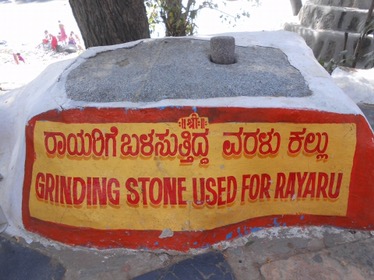
He sat with Rayaru on the Japada Katte here and both of them spent hours, days and months discussing a variety of issues related to the Shastras, Puranas, Upanishats.

Appanacharya built the Eka Shila Brindavana at the exact location where Sri Raghavendra taught the students and worshipped it for his life time.

However, the Brindavana at Bhikshalaya does not have any Mrithigai inside it. It was the first Brindavana to be constructed outside the Moola Brindavana at Mantralaya

before 2009 if you have visited this place, you could have seen the old house where Rayaru spent his days. The place where he slept, the place where he did Moola Rama pooje were all marked.

But the devastating 2009 floods(nature’s destruction) caused a huge damage to this great pilgrimage.

Rayaru, came to Bichale, somewhere between  1658-59 and stayed on here till 1671(till his brindavana pravesha)

You can also have Darshan of Mukhya prana devaru installed by Vyasarjaru and Sri Raghavendra theertharu here

it is believed in this house that Rayaru crafted his ideas about Chandrika and wrote them on the Japada Katte. This work called Tatparya Chandrika was the last work of Raghavendra Swamy. Incidentally, the original work of Chandrika was by sri Vyasa Raja theertharu, the previous avatar of Raghavendra Swamy.

IMG_6289.JPG
Mukhya praana installed by Vyasarajaru
img_6279
Mukhya Praana(Left side) installed by Raayaru
img_6290
Eka Shila Brindavana of our Rayaru
img_6298
Ugra Narasimha Installed by Sri Padarajaru

How to reach?

If you are going from Mantralayam, travel up the way to the railway station (Manthralayam Road). At the Madhavaram Junction, there are two roads one leading to Raichur and the other to Adoni. Take the road to Raichur. After crossing the Thungabadra Bridge (the new one) there will be another junction at Gile Sugur. Turning right will take you to Panchamukhi. Turn left and travel up the road for 8 kms to reach Bhikshalaya. There are several share autos and private jeeps plying from Mantralayam to Bhikshalaya and one can easily reach there without spending a lot of money.

aradhana · brindavana · honnali · MADHWA · raghavendra

Dwitheeya Mantralaya – Honnali

Honnali is a small town in recent years had achieved familiarity as Dwithieya Mantralaya. During the period of the Vijayanagar Emperors, this town was famous for selling gold and gold coins on its streets, Hence, its name is Honalli.

Location:

Honalli today is a small town, 50 kms from Shimoga. It is located in Davangere district. .

The matha is set amongst picturesque surroundings on the banks of the Tungabhadra.  This is the place where the Tunga meets the Bhadra, Incidentally, Mantralaya too is on the banks of the Tungabhadra.

Significance

This place has gained the name Dwitheya Mantralaya(second manthralaya) as it is believed that Raghavendra Swamy himself came and did the pratisthapane of the Brindavana.

The Brindavana here is believed to be more than 300 years old.

The people who wanted to construct a Raghavendra Matha were in a procession from Mantralaya, carrying the Mrithike from the Moola Brindavana. The people saw an aged person in holy robes going into the matha and never returning. He is believed to be Raghavendra Swamy.

Even to this day a plate, Hanuman idol and other items brought by Rayaru is said to be preserved in this matha

How to reach?

If you are going by road, go first to Shimoga and from there Honnali is nearby.

if you are planning by train, train routes are available from Bangalore and Mysore to Harihar. From Harihar you have bus facilties to Honnali


aradhana · MADHWA · raghavendra

Raghavendra Theertharu

Sri Raghavendra theertharu is kaliyuga kamadhenu & kalpavriksha. He fullfills everyone wishes and dreams. He is a protector. irrespective of caste, religion people trust sri guru rayaru for their everything.

Let us know Rayaru:

  1. Moola roopa : Sanku karna
  2. First avathara – Prahaladha
  3. Second avathara – Bahleeka raja
  4. Third avathara – sri vyasaraya
  5. Fourth avathara -Sri Raghavendra theertharu
  • Milestones:
  1. Birth: 1595
  2. Aksharabyasa: 1600
  3. Upanayana: 1606
  4. Marirage: 1616
  5. Sanyasashrama: 1621
  6. vrundavana pravesha: 1671
  • Family(poorvashrama)
  1. Father – Timmana bhattaru
  2. Mother – Gopikambha
  3. Brother – gururaja
  4. sister – venkataambha
  5. Wife – Saraswathy
  6. son – Lakshmi narayana
  • Places
  1. Birth place – bhuvanagiri
  2. Sanyashrama place – kumbakonam
  3. Brindavana pravesha – Manthralayam
  • Ashrama gurugalu: Sri sudheendhra theertharu
    Ashrama sishyaru: Sri yogeendra theertharu
  • Other titles: parimalacharya, Maha bhasyacharya

Raghavendra swamy works:

  1. Veda Traya Vivruti
  2. Mantrartha Manjari
  3. Purushasooktadi Panchasookta Vyakhyana
  4. Khandarthas (Word by word meaning)
  5. Geetartha Sangraha
  6. Prameya Deepika Vyakhya
  7. Geeta Tatparya Teeka Vivarana
  8. Tatparya Chandrika
  9. Nyaya Muktavali
  10. Tattva Manjaree
  11. Tattvaprakashika Bhavadeepa
  12. Nyaya-Sudha-Parimala
  13. Tippani (Notes) on Dasha Prakaranas
  14. Rama Chartirya Manjaree
  15. Krishna Charitrya Manjaree
  16. Mahabharata Tatparya Nirnaya Bhava Sangraha
  17. Vadavalee Vyakhya
  18. Chandrika Vyakhya
  19. Tarkatandava Vyakhya
  20. Pramana Padhati Vyakhya
  21. Anu-Madhva Vijaya Vyakhya
  22. Pratah Sankalpa Gadya
  23. Sarva Samarpana Gadya
  24. Nyaya Deepika
  25. Bhatta Sangraha
  26. Nadi Taratamya stotra in Sanskrit
  27. Rajagopala Stotra in Sanskrit
  28. Dashavatara Stuti in Sanskrit

Please check other links:

Ashtothra Satha namavali on Sri Raghavendra Theertharu

Sthothras on Sri Raghavendra Theertharu:

  1. Slokas on Rayaru
  2. Guru Raghavendra sthothram/shri poorna bodha
  3. Sri Raghavendra Managalaashtakam
  4. Akshara Malika Sthothra on Rayaru by Krishna Avadutaru

Dasara Padagalu on Sri Raghavendra Theertharu

  1. jaya jaya veeve raghavendra lyrics
  2. Janapriya Dasara padagalu on Sri Raghavendra Theertharu(Kannada)
  3. Dasara padagalu on Shri Raghavendra Theertharu(English)

Dasara Padagalu composed by Sri Raghavendra Theertharu

  1. Indu enage govinda
  2. Vayudevara avathara traya suladhi by Sri Raghavendra theertharu

Works of Sri Raghavendra Theertharu